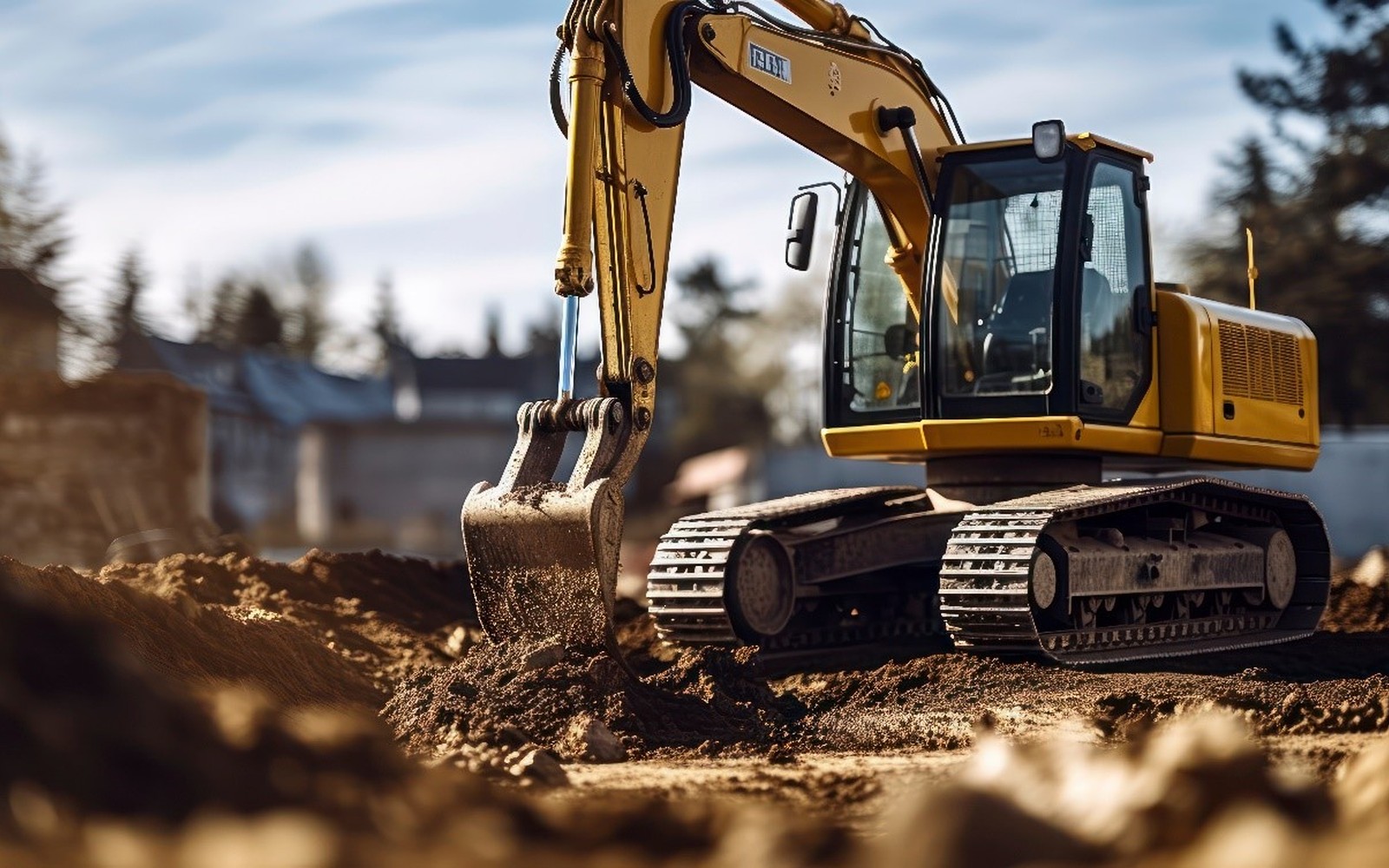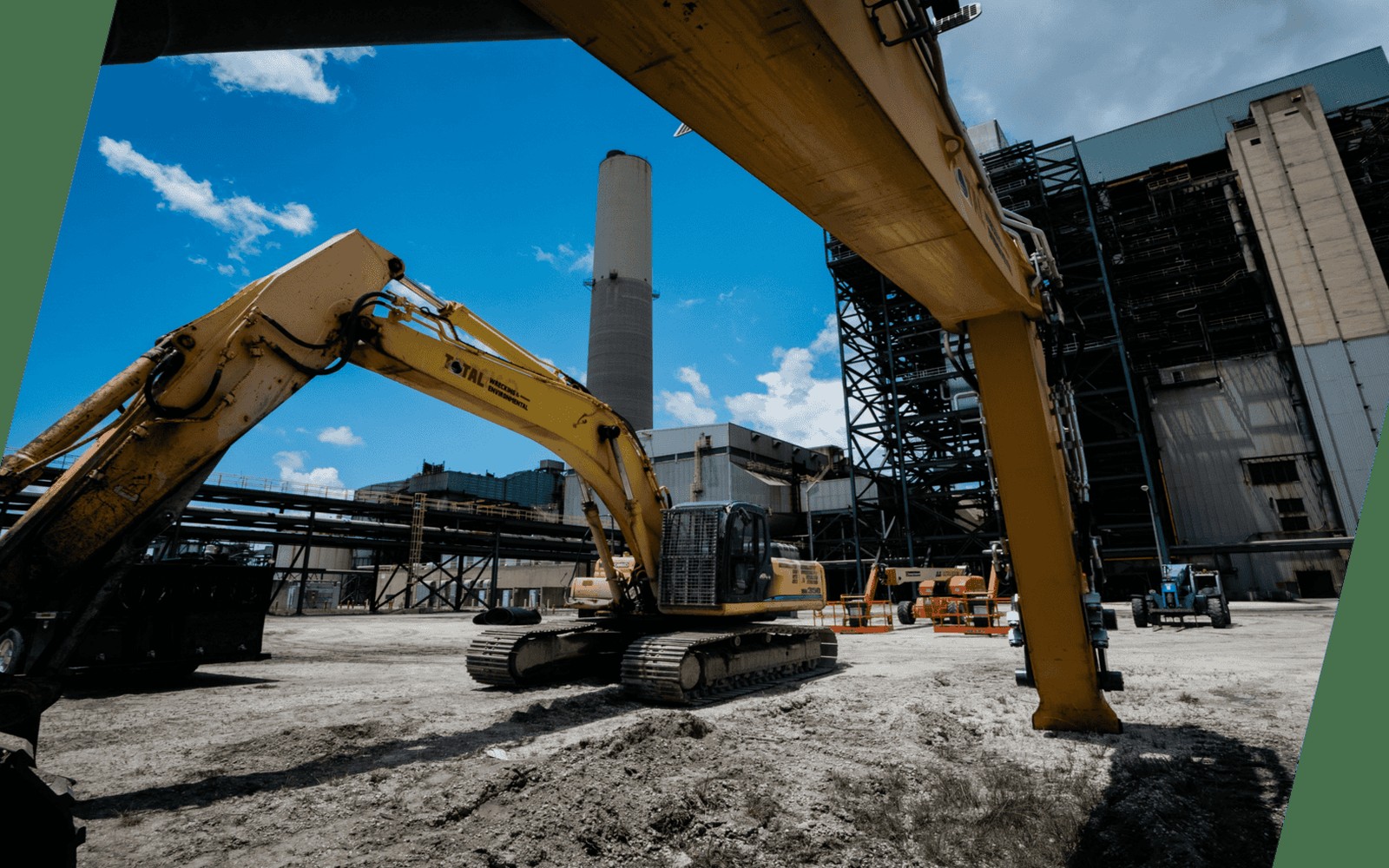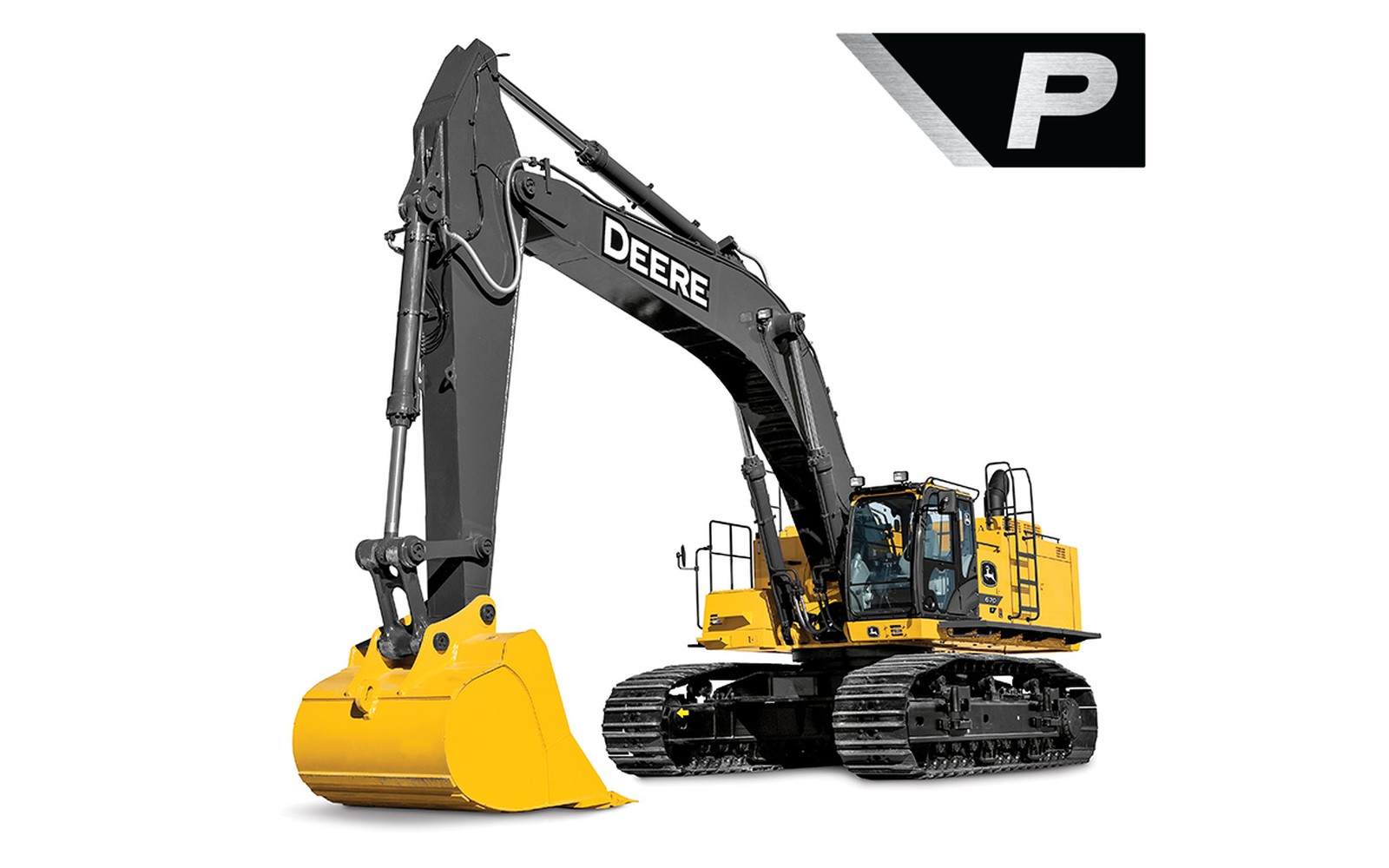

Material handlers are purpose-built for repetitive sorting, loading, and stacking work that would destroy a standard excavator in a fraction of the time. High-cab visibility, extended reach, a counterweighted rear, and attachment-ready hydraulics designed for grapples, magnets, and sorting equipment make these machines the right tool for scrap yards, wood processing facilities, port terminals, and bulk material operations. Financing one requires a lender who understands that a material handler working 16 hours a day in a scrap yard is a different risk profile than a standard excavator on a construction site, and that the economics of the operation are strong when the machine matches the throughput the business needs to be profitable.
Material handlers from manufacturers like Liebherr, Sennebogen, Caterpillar, Fuchs (Terex), and Doosan/DEVELON range from mid-size port units to large stationary handlers for heavy scrap and port crane applications. Prices for production-class machines run from $250,000 to $1 million or more depending on reach, lifting capacity, and configuration. Used machines with documented maintenance appear regularly in the secondary market and can represent strong value for operations that cannot wait for a new machine delivery slot. Unlike new machine orders that can take months to fulfill, a well-maintained used material handler can be bought, financed, and in production within a few weeks of the purchase decision, which matters for a facility that is running its existing machine to its limits.
Material Handlers: Collateral That Finance Lenders Respect
Material handlers are sometimes misunderstood by general equipment lenders who group them with standard excavators. A material handler has structural differences that matter for collateral purposes: reinforced slew bearing designed for high-cycle continuous work, elevated cab for over-pile visibility, wider counterweight, and purpose-designed hydraulic systems with higher flow for grapple and magnet work. These differences are understood by lenders who specialize in scrap and recycling, port, and material handling sectors and have actually funded transactions for this equipment category before.
The attachment package is an important part of a material handler's working value. A hydraulic orange peel grapple for scrap, a magnet for ferrous metal sorting, or a timber grapple for wood processing are major productivity tools that are often financed as part of the machine purchase rather than acquired separately. For attachment financing specifics, see our excavator attachment financing page and bucket and attachment package financing page. Both approaches can fold attachments into the machine deal where the seller packages them together in a single purchase agreement.
Industries That Use Material Handlers
Scrap metal processors and recycling yards are the core market for material handlers. These machines are what make a high-volume scrap yard productive, sorting, loading, and feeding shredders and shears at a pace a wheel loader cannot match on a per-hour basis. Port terminal operators use large material handlers for bulk grain, coal, and aggregate handling at dock and rail facilities where continuous loading is the business model. Wood processing facilities and biomass fuel operations use timber grapple-equipped handlers to move log piles and feed chippers throughout the shift.
Industrial demolition contractors sometimes use material handlers as a gentler alternative to standard demolition excavators for sorting recoverable metals and materials from a demolition site. Demolition contractors who process their own salvage find that a material handler pays for itself in recovered material value over the life of the machine. Aggregate producers use material handlers at processing facilities for stockpile loading and sorting operations that run continuously during production hours.
For contractors whose primary business is excavation who also need occasional handling capability, see whether a standard excavator with a grapple attachment meets the need before committing to a dedicated material handler purchase. Our excavator financing page covers the standard excavator option for contractors who need more versatility than a single-purpose handler provides.
Financing Process for Material Handlers
Material handler deals follow the same core process as other heavy equipment. Application and machine information start the process. Application-only underwriting handles deals up to approximately $400,000, which covers many used machines and smaller new units. Full financial documentation adds bank statements and tax returns for larger transactions above that threshold. The key additional factor with material handlers is the lender's comfort with the intended use and operating environment.
A machine in an operating scrap yard running continuous duty 10 to 16 hours per day will accumulate hours faster than a construction excavator on a typical job rotation. Lenders familiar with material handling businesses understand that and evaluate the deal accordingly, rather than being alarmed by high projected annual hours. We match material handler deals to lenders who have active programs for this equipment category, not just to general heavy equipment lenders who may not understand the usage profile or the durability these machines are built for. Funding follows in about one to two weeks of credit approval.
For buyers who are already in the scrap or recycling business and want to pull equity from owned equipment, a Sale-Leaseback converts a paid-off machine to working capital without forcing a sale that disrupts operations or requires replacement equipment to fill the gap.
Credit Profile and Documentation
Material handling businesses with consistent revenue from scrap processing, port operations, or timber handling present strong financing cases when presented correctly to the right lenders. Revenue that is tied to commodity prices can fluctuate quarter to quarter, and lenders who understand these businesses know that. Demonstrating that your operation has navigated commodity cycles before is useful context in a financial package that goes beyond raw monthly numbers to tell the full story of how your business manages through price cycles.
B and C credit applicants can qualify for material handler financing, particularly when the machine's collateral value is strong relative to the loan amount and the operation has a track record of revenue and managed operations. We also work with startup businesses entering the material handling sector, though startup deals typically require more down payment and stronger owner credit to compensate for the shorter business history. New operations entering scrap or recycling often have a location, a buyer agreement for material, and an operator with prior industry experience, and those factors collectively support a financing application even without years of tax returns behind the business.
Material Handler Financing FAQs
Questions from scrap, recycling, and material handling operators about financing.
Finance Your Material Handler
Scrap yard, port terminal, timber, recycling. Tell us the machine, the price, and the application, and we will get the deal done. Apply now or call to talk through the structure first and make sure we have the right approach for your operation before you submit.