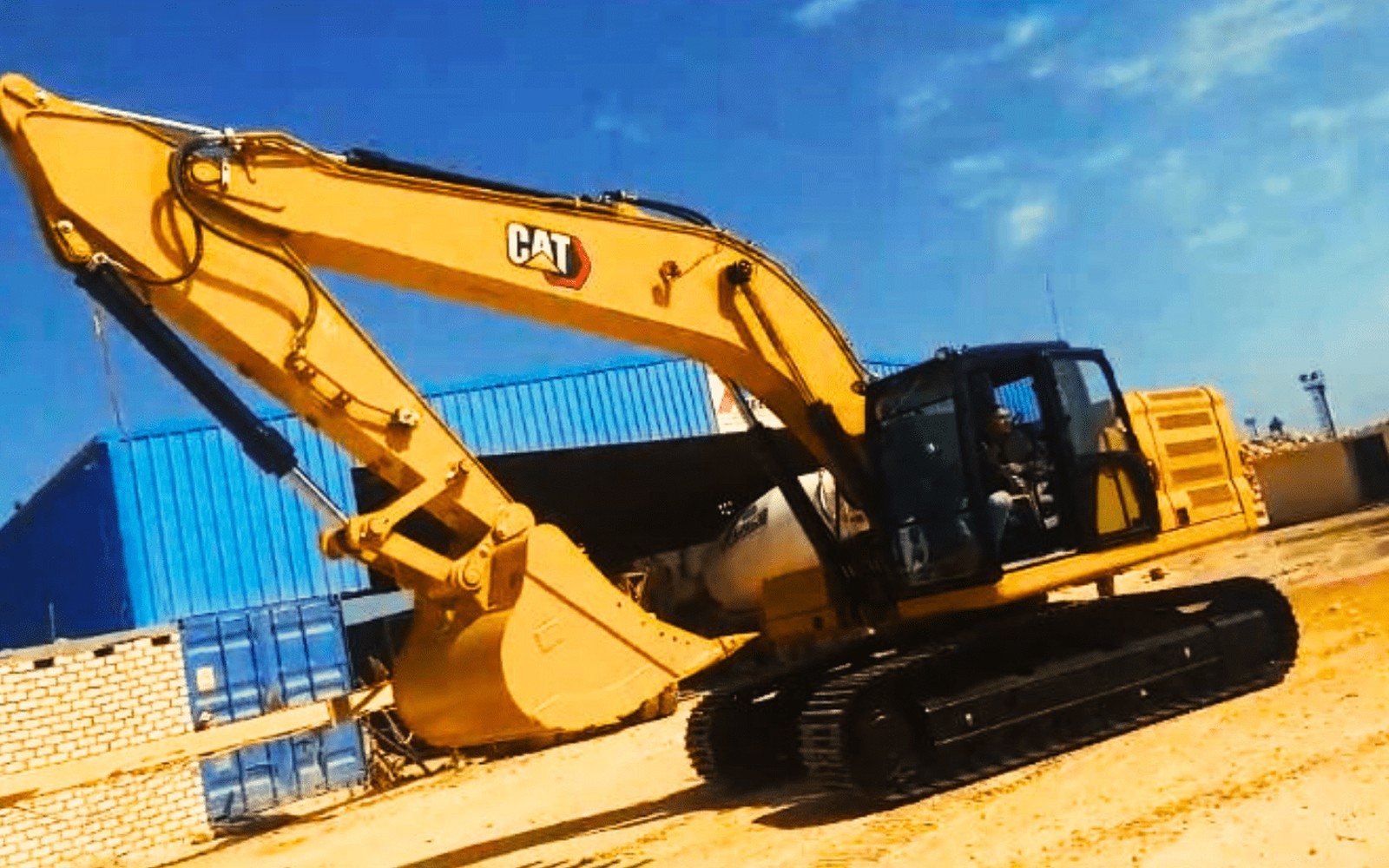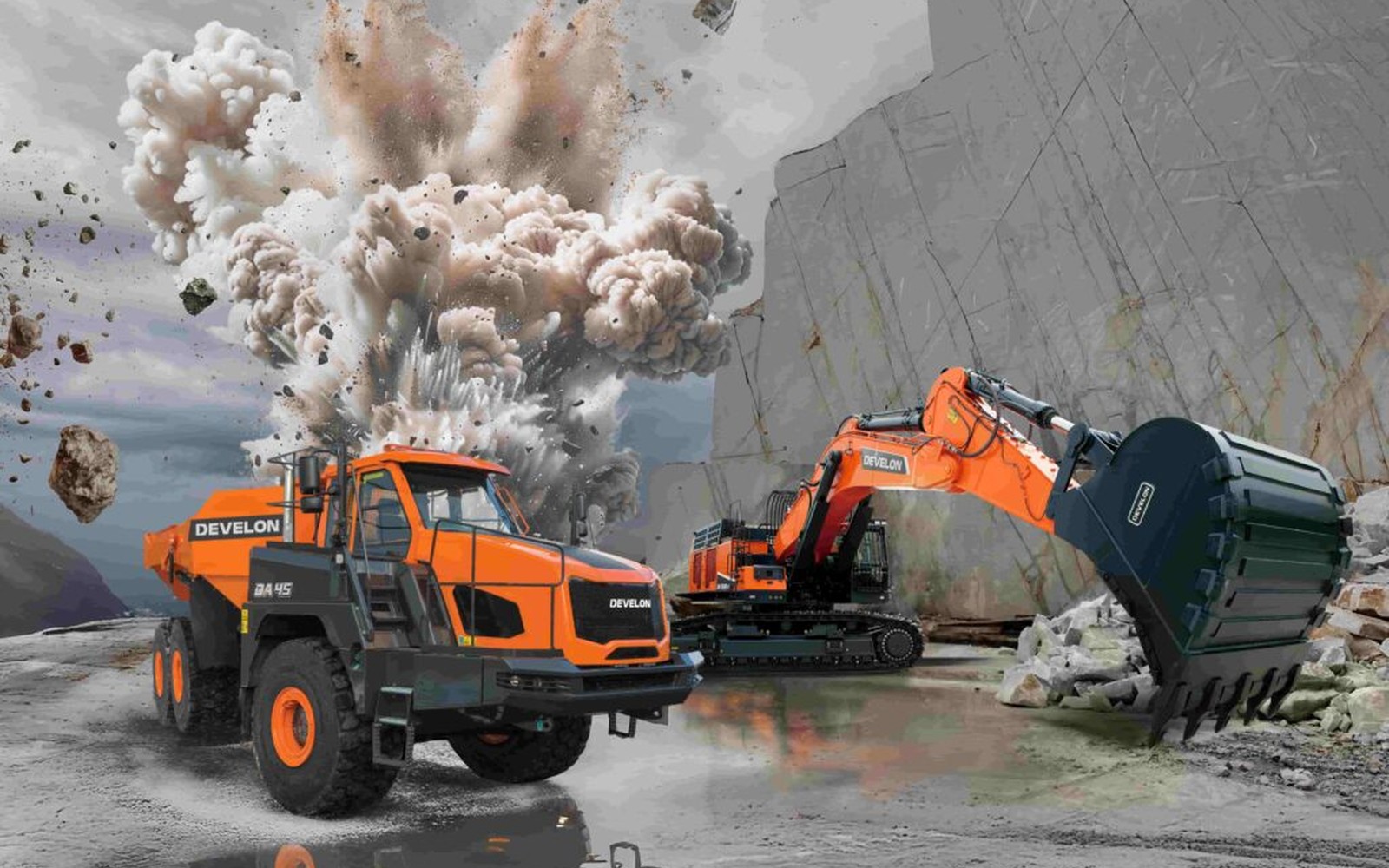

Full-size track loaders, the steel-tracked crawler loaders in the 15-to-30-ton class, do the work that wheel loaders cannot. Rocky terrain, steep grades, loose overburden at quarry faces, and soft ground conditions that would strand a rubber-tired machine are exactly where a track loader earns its place in the fleet. These are production-grade, high-cycle machines used in mining, forestry, land clearing, and heavy earthwork, and they carry price tags that reflect their capability. Financing a track loader requires lenders who understand the machine and the market. We handle these transactions regularly and know which lenders are willing to move fast on big iron without requiring weeks of back-and-forth on documentation.
Track loaders from Caterpillar, Komatsu, and John Deere are the most common units we finance. For buyers evaluating the Komatsu D51 or a comparable Caterpillar model, our Komatsu financing page covers that manufacturer specifically. Operators who are deciding between a track loader and a bulldozer for their application should review both pages, as the machines often overlap in capability but serve different primary functions.
Track Loader vs. Crawler Dozer: Asset Differences That Affect Financing
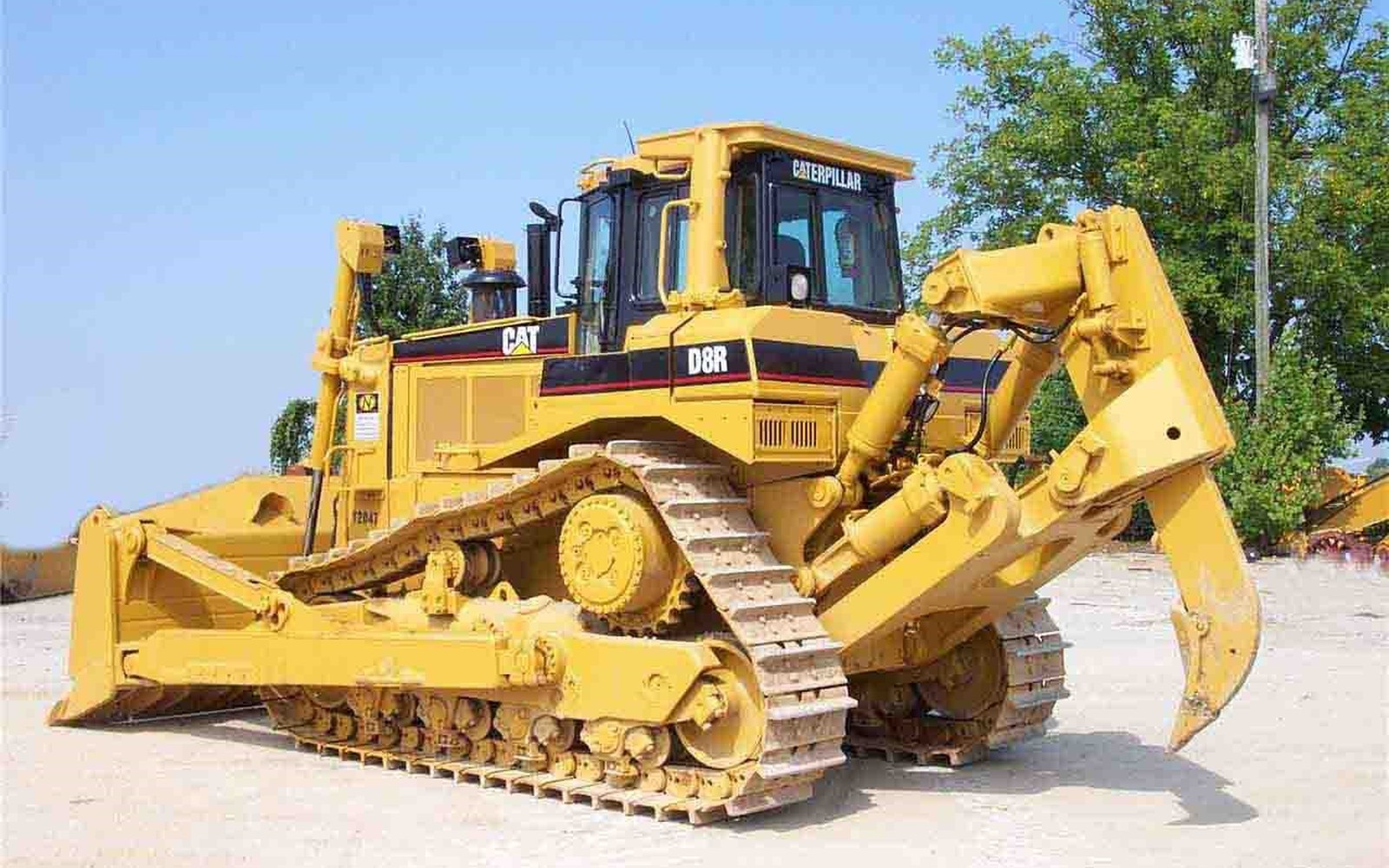
The practical distinction between a track loader and a dozer is the working end: a track loader has a loader bucket and boom for pushing and carrying material, while a dozer has a blade for pushing and spreading. Both run on steel tracks, both are used in rough terrain applications, and both have similar undercarriage maintenance costs.
From a financing standpoint, track loaders and crawler dozers are evaluated similarly by lenders. Key considerations:
- Undercarriage condition: Steel track systems on large machines are expensive to replace. A full undercarriage rebuild on a 20-ton track loader can run $30,000 to $80,000 depending on the machine class and component prices. Lenders typically request an inspection report on used machines above 5,000 hours.
- Bucket and loader arm condition: Pin wear, bushing condition, and structural integrity of the loader arm and bucket are evaluated on used machines.
- Make and model desirability: Caterpillar and Komatsu track loaders have the broadest secondary markets and typically receive the best loan-to-value treatment.
Operators working in logging and forestry or aggregate and quarry operations are the primary buyers in this category, and these industries are well-understood by equipment lenders.
How Track Loader Financing Comes Together
Track loaders in the 15-to-30-ton class typically run $300,000 to $700,000 or more new from dealers. Used machines in this class from two to five years old generally trade running about $150k to $400k. At these price points, most deals require some financial documentation beyond an application alone.
The typical documentation package for a track loader deal:
- Completed business credit application
- Three months of business bank statements
- Equipment purchase invoice or agreement with machine details
- Current equipment list (sometimes requested)
For larger transactions above $500,000, lenders may request additional financial statements or two years of business tax returns. We present your file in the strongest possible context, explaining the machine's earning capacity and your business's production history, so the lender is making a decision based on the full picture.
We place track loader deals with lenders who work in the heavy construction and mining equipment space. These lenders understand that a well-maintained track loader is a long-lived asset with real secondary market value, and they structure their terms accordingly. Both equipment loans and Sale-Leaseback transactions are available on track loaders.
Credit Profiles and What to Expect
Track loader buyers tend to be established contractors with production-scale operations. The credit profiles we see most often:
- Established contractor with solid business credit: Application plus bank statements, fast approval, favorable terms.
- Operator with good revenue but uneven credit history: We present the file with bank statement evidence of income and a context letter explaining any credit events. Lenders who specialize in heavy equipment understand that contracting businesses have cyclical revenue.
- New business buying large iron: More challenging but not impossible. A strong personal credit profile, documented contract or job pipeline, and sometimes a larger down payment are the path for a newer business seeking track loader financing. Our startup equipment financing page covers that path.
Finance Your Track Loader
Heavy iron, serious financing. Tell us the machine spec and your credit picture and we will have a quote ready within 24 hours. These deals require the right lender relationship, and we have them. Funding in two to three weeks for most track loader transactions.