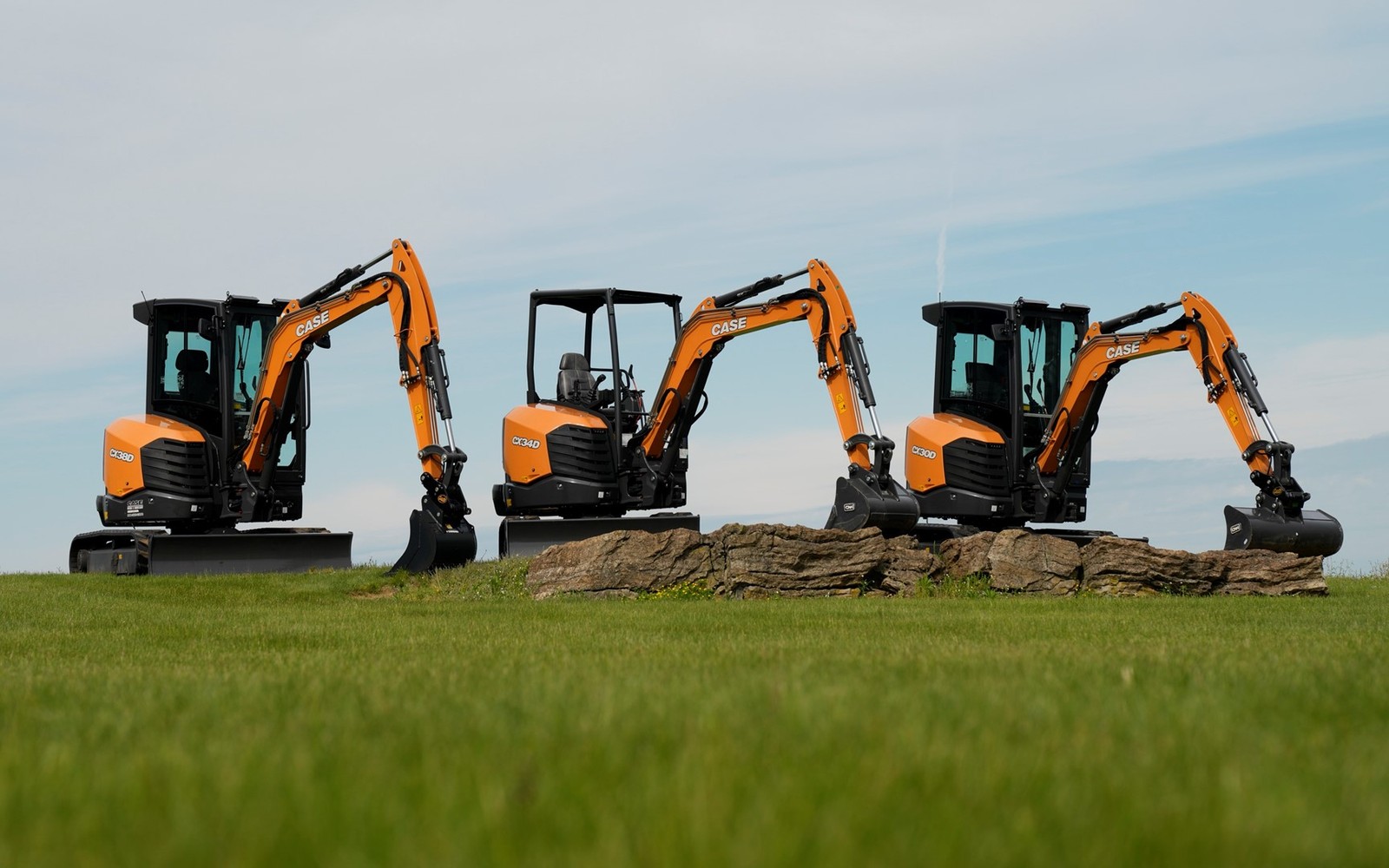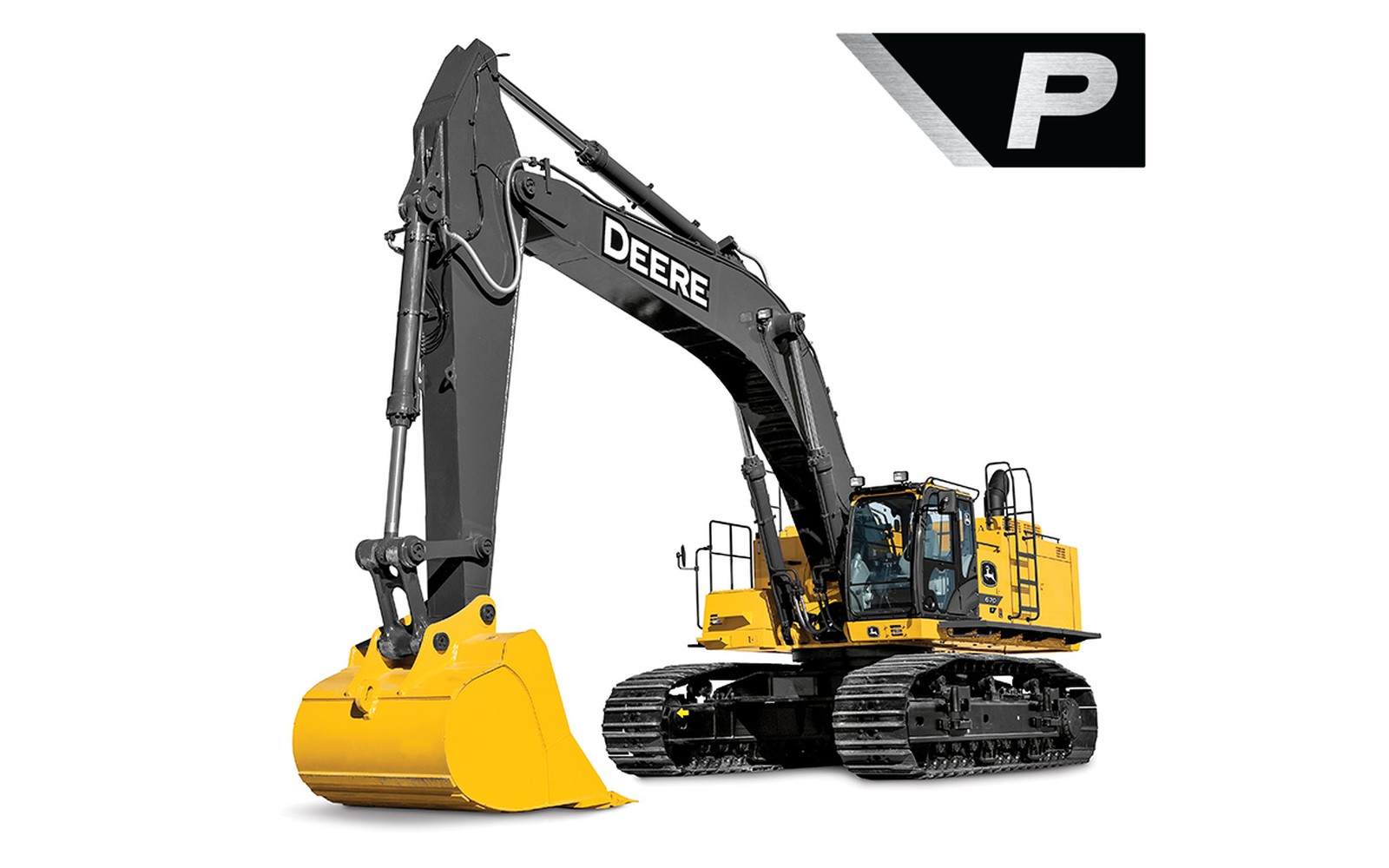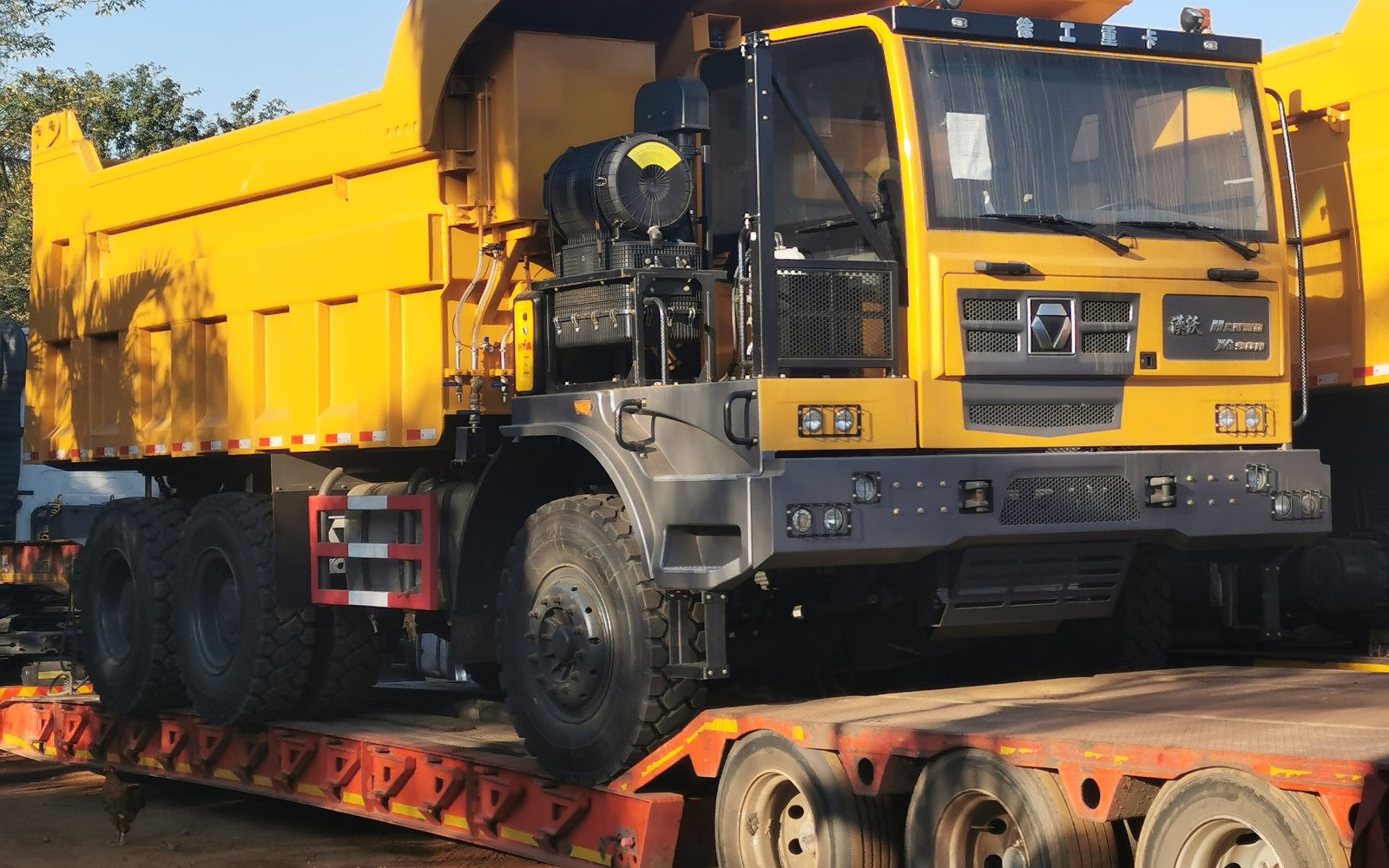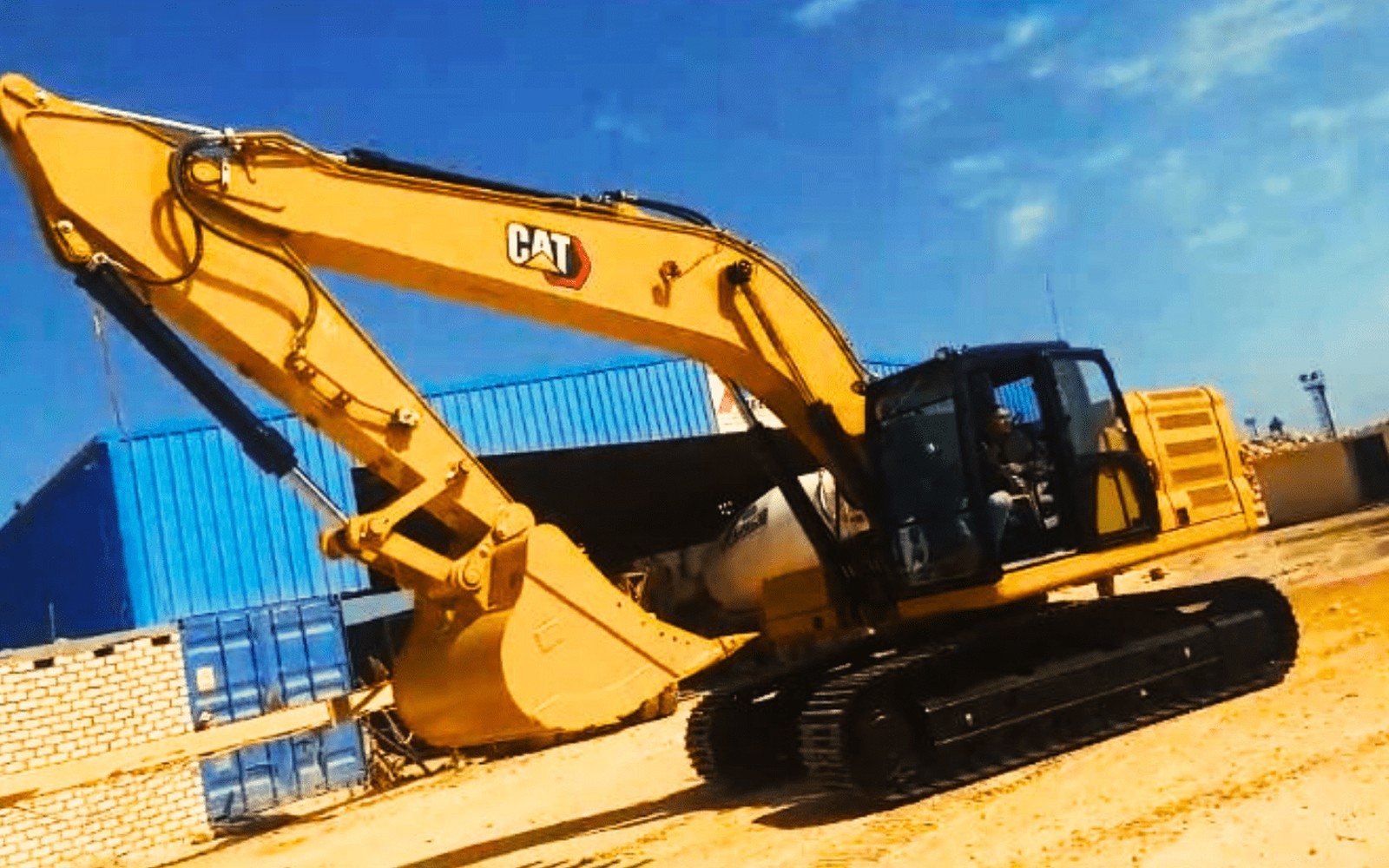

Salt Lake City has been running one of the fastest-growing construction markets in the Mountain West, and the Wasatch Front corridor from Provo to Ogden is where most of that growth concentrates. Technology industry campus development in Lehi and Silicon Slopes, the ongoing residential tract expansion pushing into the south valley and West Jordan, and the airport modernization project's ripple of utility and access-road work have kept excavating contractors at capacity. We finance excavators and earthmoving equipment for Salt Lake City area operators, starting at $50,000, with most volume at $100,000 to $150,000 and above, and funding in about one to two weeks.
What Keeps the Wasatch Front Busy
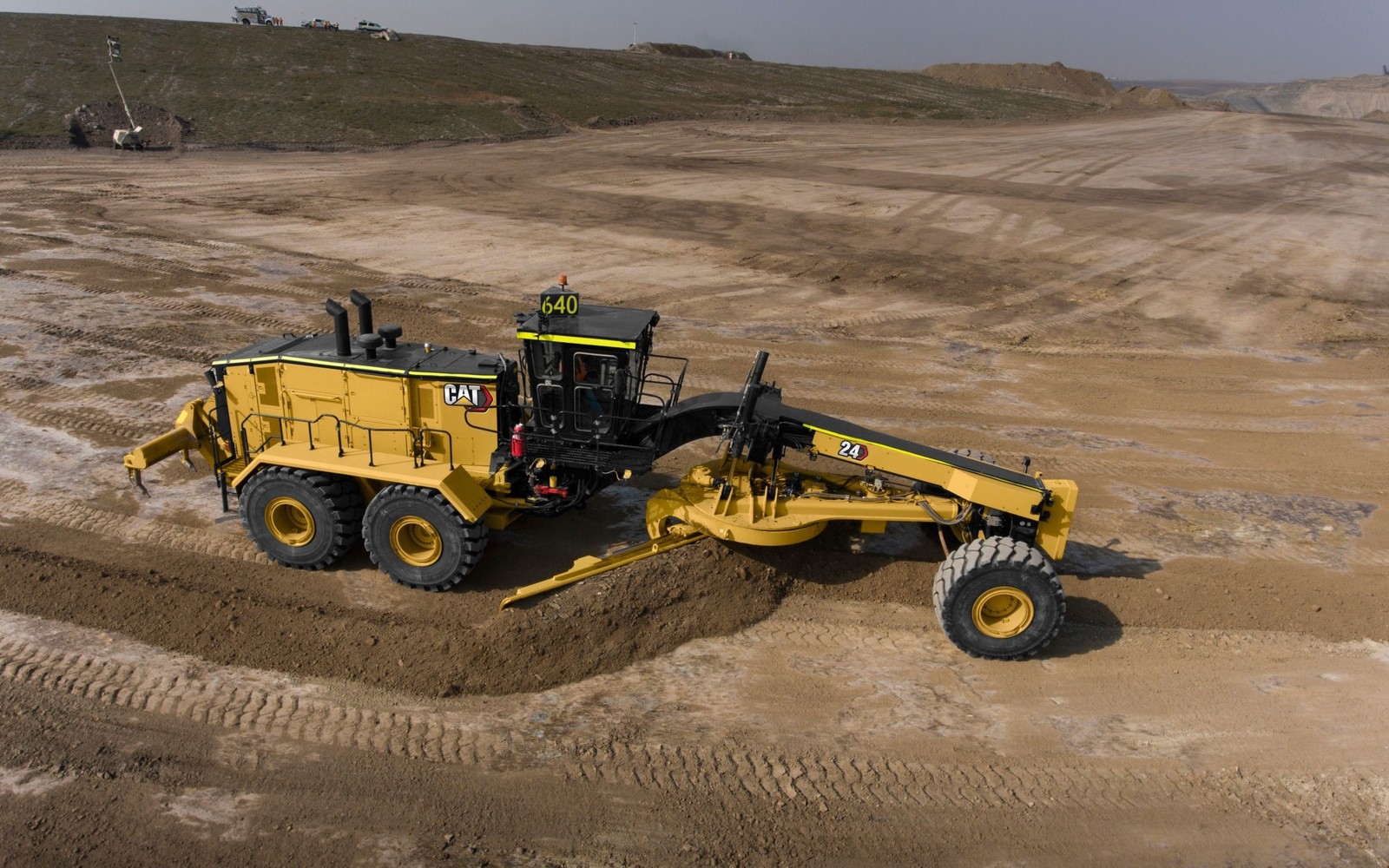
Utah's technology corridor in Utah County, centered around the Silicon Slopes area in Lehi, Draper, and Pleasant Grove, has driven a sustained wave of commercial campus and data-center site development. Each of those projects needs substantial grading, utility work, and access infrastructure before the building crews can start. Site development contractors working the tech-campus market run standard excavators and motor graders on the large, flat pads that many of those campuses require.
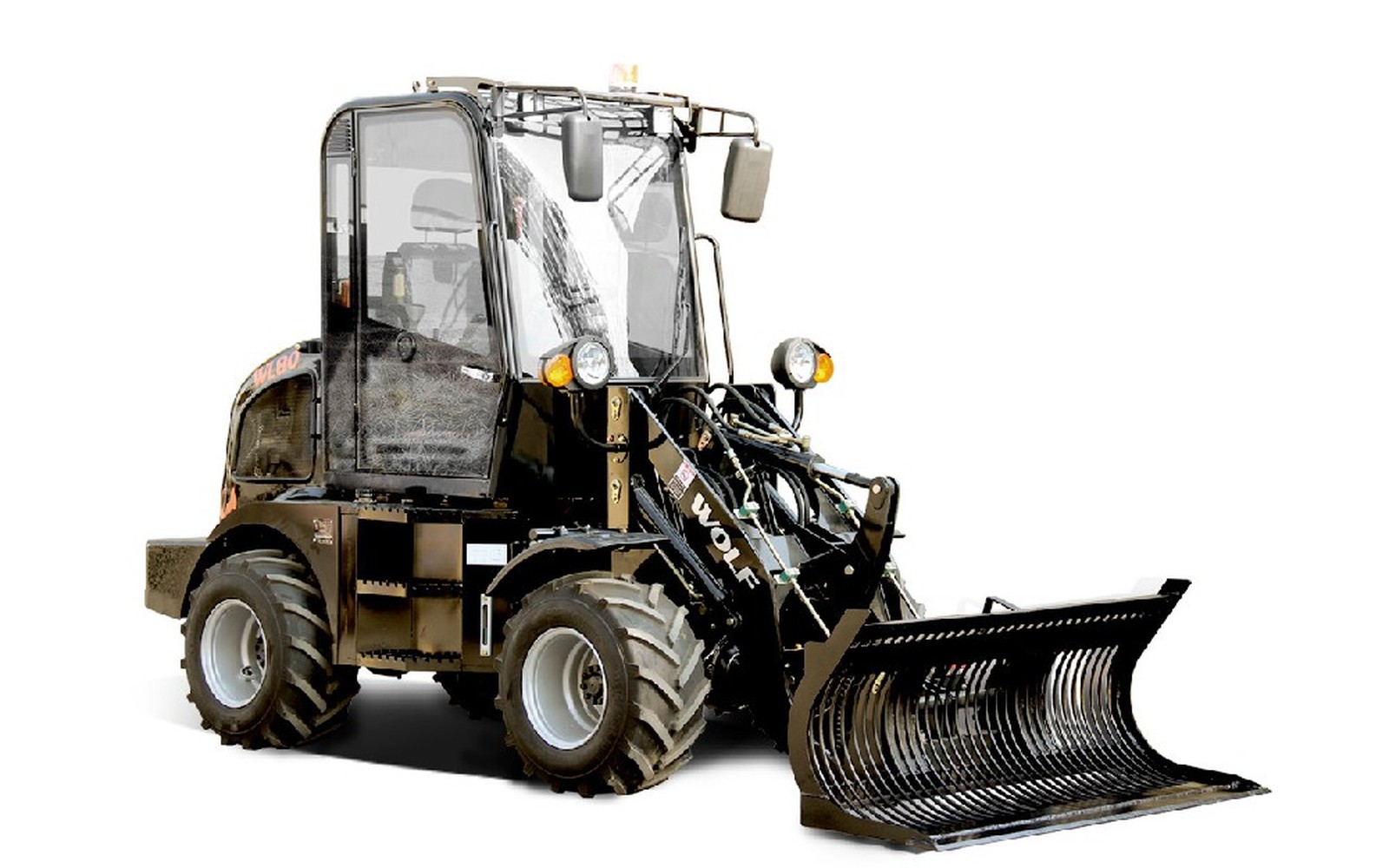
Salt Lake County residential growth has pushed into the west valley, Herriman, Riverton, and the Bluffdale area, where large-tract development keeps earthwork contractors in demand for site prep and subdivision infrastructure. The Wasatch Front also has active aggregate quarrying in the canyon zones east of Salt Lake City, feeding demand for wheel loaders and articulated dump trucks on crushing and loading operations. We finance all of those machine types for Utah operators.
How the Process Works in Utah
Credit application and three months of business bank statements. Application-only processing covers most deals up to roughly $400,000 without needing a full financial package. Decisions come back in days, funding in about one to two weeks.
An equipment loan is the baseline structure for operators intending to keep the machine for its full service life. An equipment lease is worth considering if you prefer lower monthly payments or expect to upgrade the machine in four to six years. For Utah businesses looking to maximize first-year tax benefits, a Section 179 election on a financed machine purchase can produce a significant deduction in the year of acquisition. Run that by your CPA alongside the financing quote, because the structure matters for the deduction to apply.
New vs. Used Iron on the Wasatch Front
Utah does not carry California-style emissions mandates for off-road equipment, which means older machines remain fully eligible for most projects in Salt Lake County. That makes used equipment financing a practical path for operators who want capable iron at a lower price point. The Wasatch Front has a solid used-equipment market through local dealers and regional auction activity.
We finance used machines from dealers, auctions, and private sellers through our auction and private-party program. A condition inspection and confirmed hours are the key documentation items for used purchases. For operators managing B/C credit, used iron at a lower ticket price often makes the down-payment math more workable. See our B/C credit program for how those deals typically structure.
Unlocking Capital from Paid-Off Equipment
Utah operators who bought iron during earlier growth cycles and paid off the notes are sitting on working capital that is not working. A Sale-Leaseback puts that capital to work. The machine is sold to a lender, leased back at a manageable payment, and the lump-sum capital goes wherever the business needs it: a second machine, a large project down payment, payroll through a slow stretch.
A cash-out refinance is the right move when a machine has been paid down well below its current market value. You replace the existing note with a new one based on the machine's current value, the difference comes to you as cash, and the payment is reset on fresh terms. Both structures are worth modeling before your next large project bid.
Contractors We Work With Along the Wasatch Front
Earthwork contractors handling the subdivision infrastructure work in the south Salt Lake County expansion zones, from Riverton and Herriman out to the new subdivisions in Eagle Mountain and Saratoga Springs. Site-development firms doing campus pad work for the tech-corridor growth in Lehi and Draper. Aggregate and quarry operators working the limestone and gravel deposits in the canyons and benches east of Salt Lake City.
Utility contractors running the underground water, sewer, and fiber infrastructure that has to precede every new subdivision and commercial development across the Wasatch Front. Commercial construction site crews doing mass grade and below-grade work on the multi-family and mixed-use projects that have filled the urban core from Sugar House to Ogden. These are the operators our programs are built for, from single-machine sole proprietors to firms running six or eight pieces of iron across multiple active projects.
The minimum deal is $50,000. Most of our Utah volume runs at $100,000 to $150,000 and above. If the business has cash flow and the machine has collateral value, there is a deal to structure.