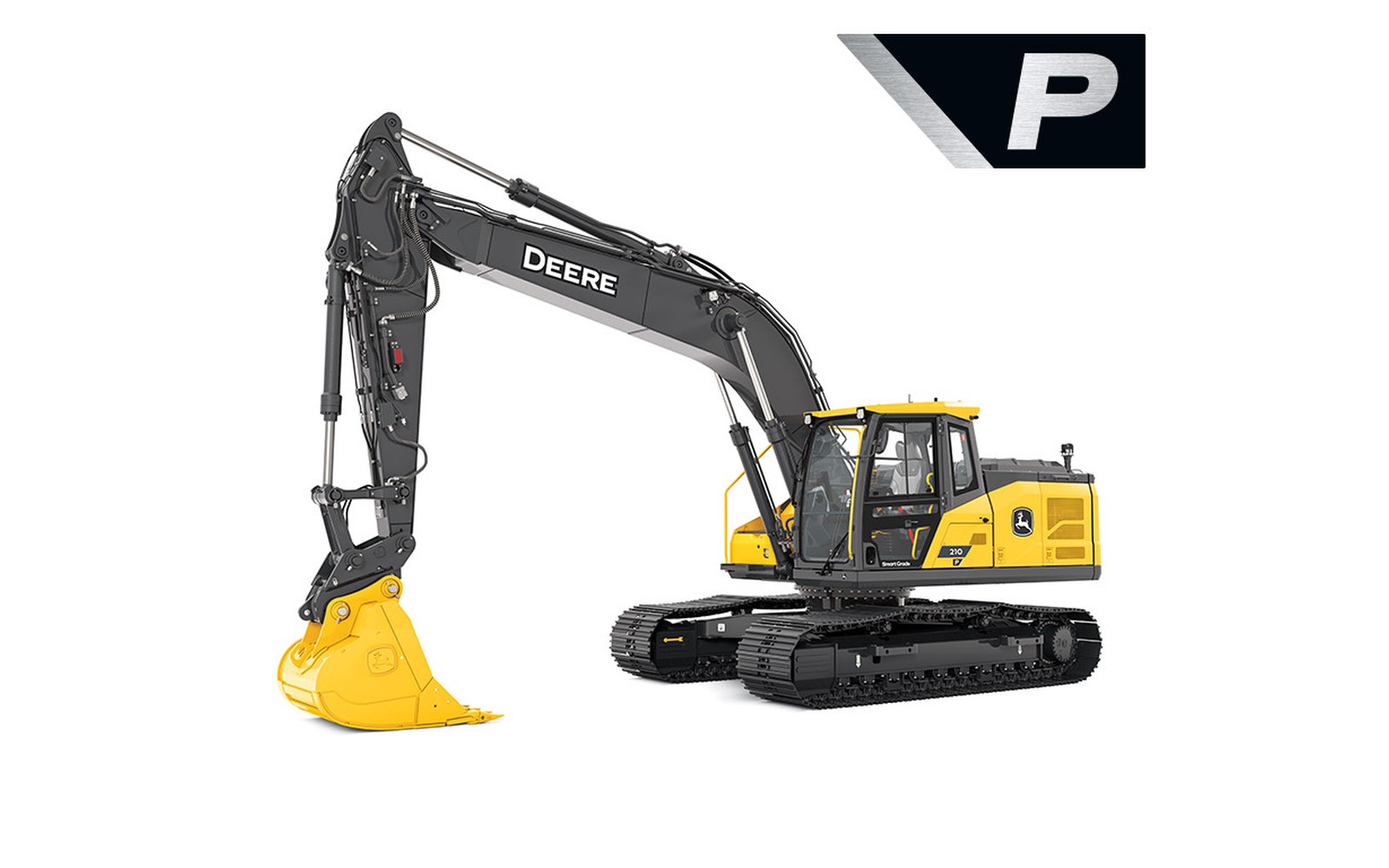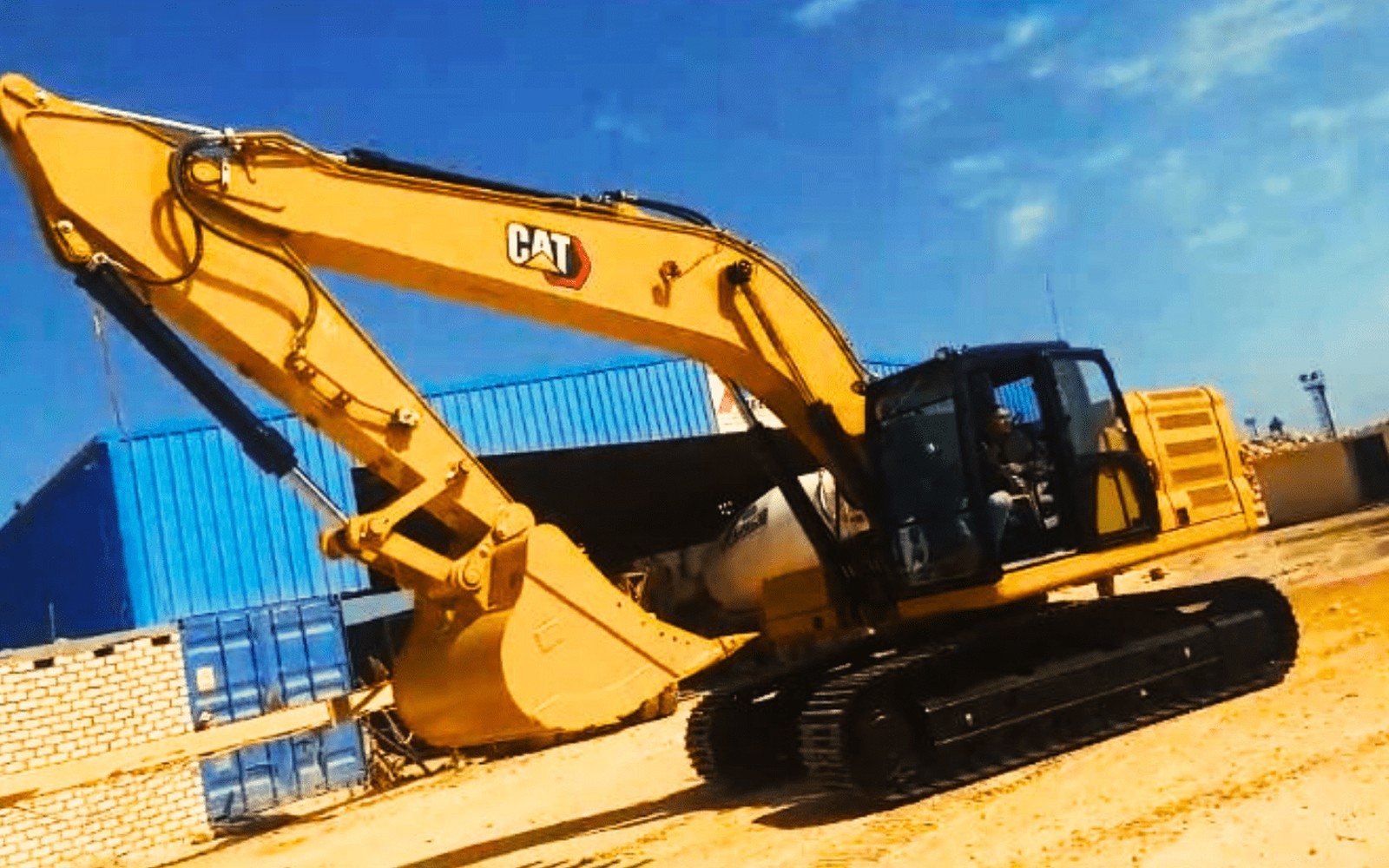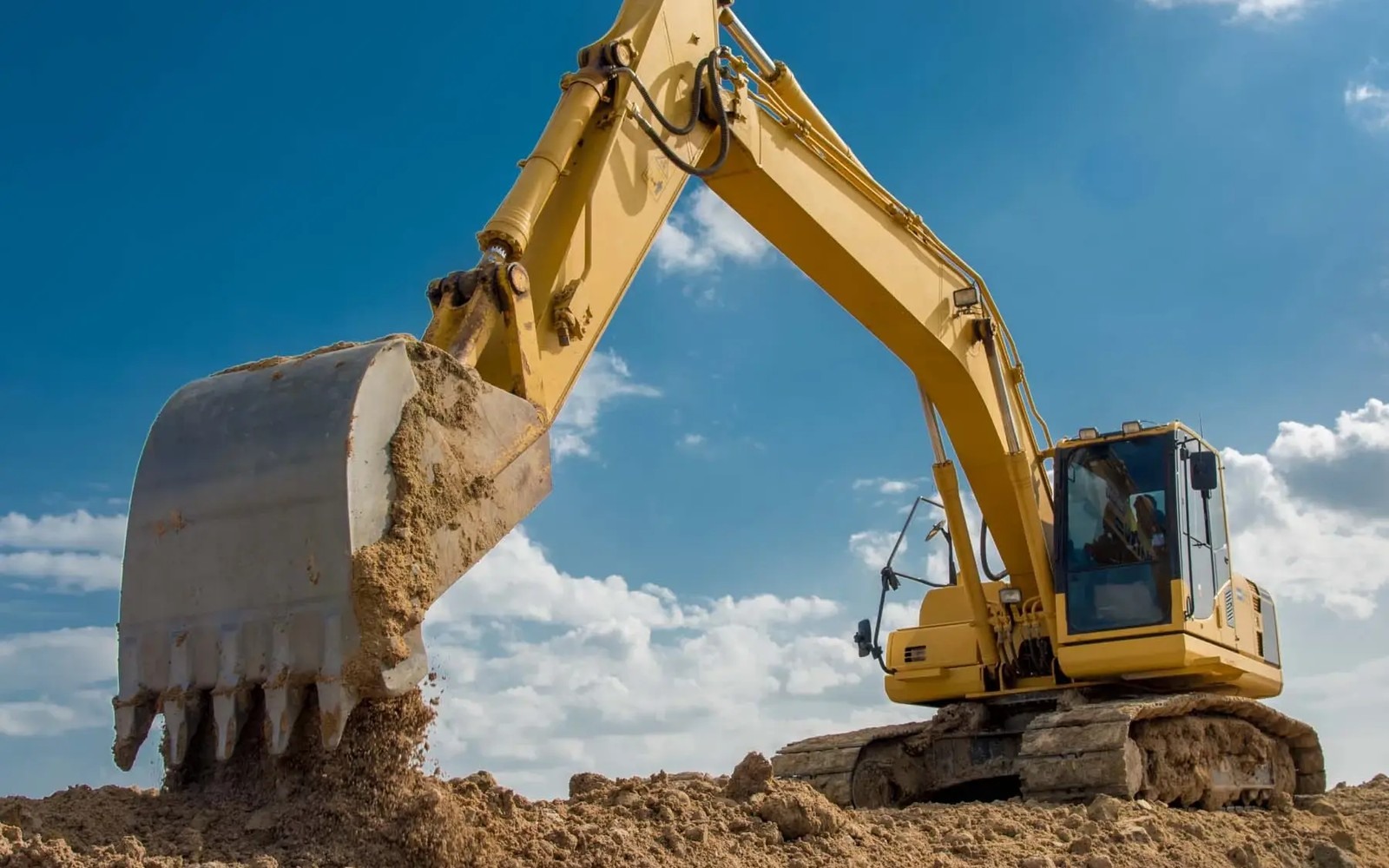

Yardage is what large excavators are measured by, and the Komatsu PC360 earns its place in that conversation. At 36 metric tons, this machine belongs on large commercial foundations, deep utility main installation, industrial pad excavation, and quarry face work where daily production targets demand consistent output across a full shift. Contractors who have outgrown the PC290 and need a machine that keeps pace with large earthmoving contracts find the PC360 delivers without the operating cost of a 50-ton class unit. We finance PC360s for commercial construction contractors, large utility operators, and site developers who need large-iron capability tied to financing that closes on schedule.
New PC360s typically require bank statements. Well-priced used units can sometimes qualify application-only. Funding runs one to two weeks from a complete file.
Komatsu PC360 Production Numbers
The PC360 operates at approximately 79,000 to 83,000 pounds and produces roughly 257 net horsepower, positioning it directly against Cat's 336 in comparative equipment evaluations. Maximum digging depth on the standard arm is approximately 25-26 feet, with a long-front configuration available for applications requiring extended reach like long-reach excavation for dredging support, river work, or deep industrial pit work.
Komatsu's standard iMC 2.0 system is available on the PC360-11 series, providing 3D grade guidance, automatic bucket control in digging and grading modes, and real-time machine positioning. For road and highway contractors running precision sub-grade work on highway projects, iMC 2.0 reduces the traditional stakes-and-re-grade cycle that consumes both time and cost on grade-sensitive work.
- Operating weight: approximately 79,000-83,000 lbs depending on configuration
- Net power: approximately 257 hp (192 kW)
- Max digging depth: approximately 25-26 feet on standard arm
- iMC 2.0 intelligent machine control available on PC360-11
What Financing a PC360 Involves
New PC360 units price between $400,000 and $500,000 depending on configuration. Used PC360s from the current and prior generation trade between $170,000 and $290,000 for machines with documented maintenance and reasonable undercarriage life. New units always require bank statements. Used units in the sub-$400,000 range may qualify for application-only financing depending on credit profile.
We structure PC360 deals with terms from 48 to 84 months. On a $350,000 used PC360, a 72-month term keeps the monthly payment at a level that most commercial site contractors can service against a $3-to-5 million annual revenue base. The decision between an equipment loan and a capital lease comes down to balance sheet preference, bonding capacity concerns, and whether you intend to keep the machine at end of term or return it for the next generation.
Sale-Leaseback and Refinancing on an Existing PC360
Contractors who financed a PC360 during a difficult credit period, or who own one outright, have options beyond just running the original note. A cash-out refinance on an owned or equity-rich PC360 pulls working capital out of the machine without selling it. A Sale-Leaseback goes a step further, converting the full appraised value to cash while retaining machine use through a lease arrangement.
Both strategies see use among contractors who are scaling up, taking on a larger project requiring a bond increase, or deploying capital toward a second machine. The key is making sure the monthly lease or loan payment fits the business cash flow after the capital is deployed.
PC360 Activity by Market
The PC360 runs steadily in markets where large commercial and industrial site work generates sustained demand. In Houston, TX, industrial site preparation for logistics facilities and petrochemical plant support keeps large excavators active year-round. In Phoenix, AZ, the continuing pace of data center, logistics warehouse, and industrial development produces large earthmoving contracts that justify PC360-class machines as primary production units.
The PC360 also fits quarry face work and mining support. Aggregate and quarry operators running crusher feed operations frequently choose the PC360 because it bridges the gap between standard mid-size excavators and true mining-class iron at a per-hour operating cost that still makes sense for medium-scale operations.
Contractors evaluating the PC360 who also need dozer capacity for the same project often look at financing both in one transaction. A PC360 paired with a mid-size dozer covers both the excavation and rough grading scope of most large commercial site development contracts. We structure multi-machine fleet packages at this size regularly. The combined transaction typically requires bank statements regardless of individual machine prices, and we handle the documentation as a single organized submission rather than two separate applications running in parallel.
A final practical note: contractors who have run the PC360 for several years and are evaluating a fleet refresh should also look at the no-money-down financing options available when trading in the older machine. The trade-in reduces the net financed amount and can bring a new PC360 within application-only territory depending on the dealer trade-in value. We work with dealers who provide this combined transaction structure regularly and can help you understand how the financing terms change as the net purchase price changes.