
The Inland Empire runs on freight and construction. Riverside County has absorbed wave after wave of warehouse development, housing tract expansion, and commercial site work as the Southern California basin keeps pushing east. Contractors who work the I-15, I-215, and SR-60 corridors have more yardage queued up than they can often staff for, and the machines keeping pace with that demand have to be funded and ready. We finance excavators and heavy earthmoving equipment for Riverside County operators with decisions in about one to two weeks, minimums at $50,000, and the core of our business in the $100,000 to $150,000 and above range.
Riverside County's volume is real and it is not slowing. The logistics sector keeps drawing investment from national and international distribution networks that need Southern California proximity and freeway access. Each new distribution center represents months of excavation, underground utility work, and detention basin installation before the slab arrives. Contractors positioned to handle that site work with capable, funded equipment are collecting contracts at a rate that rewards having the right iron available on short notice.
Inland Empire Construction Drivers
The Riverside-San Bernardino metro has one of the highest concentrations of active logistics and distribution construction in the country. The Ontario-to-Perris logistics corridor sees multi-million-square-foot warehouse and fulfillment center pads going in on a near-constant cycle. Those sites require substantial grading, detention basin excavation, and underground utility installation before a slab can be poured. A 1.5 million square foot warehouse pad might involve moving 200,000 cubic yards of material before any concrete is placed.
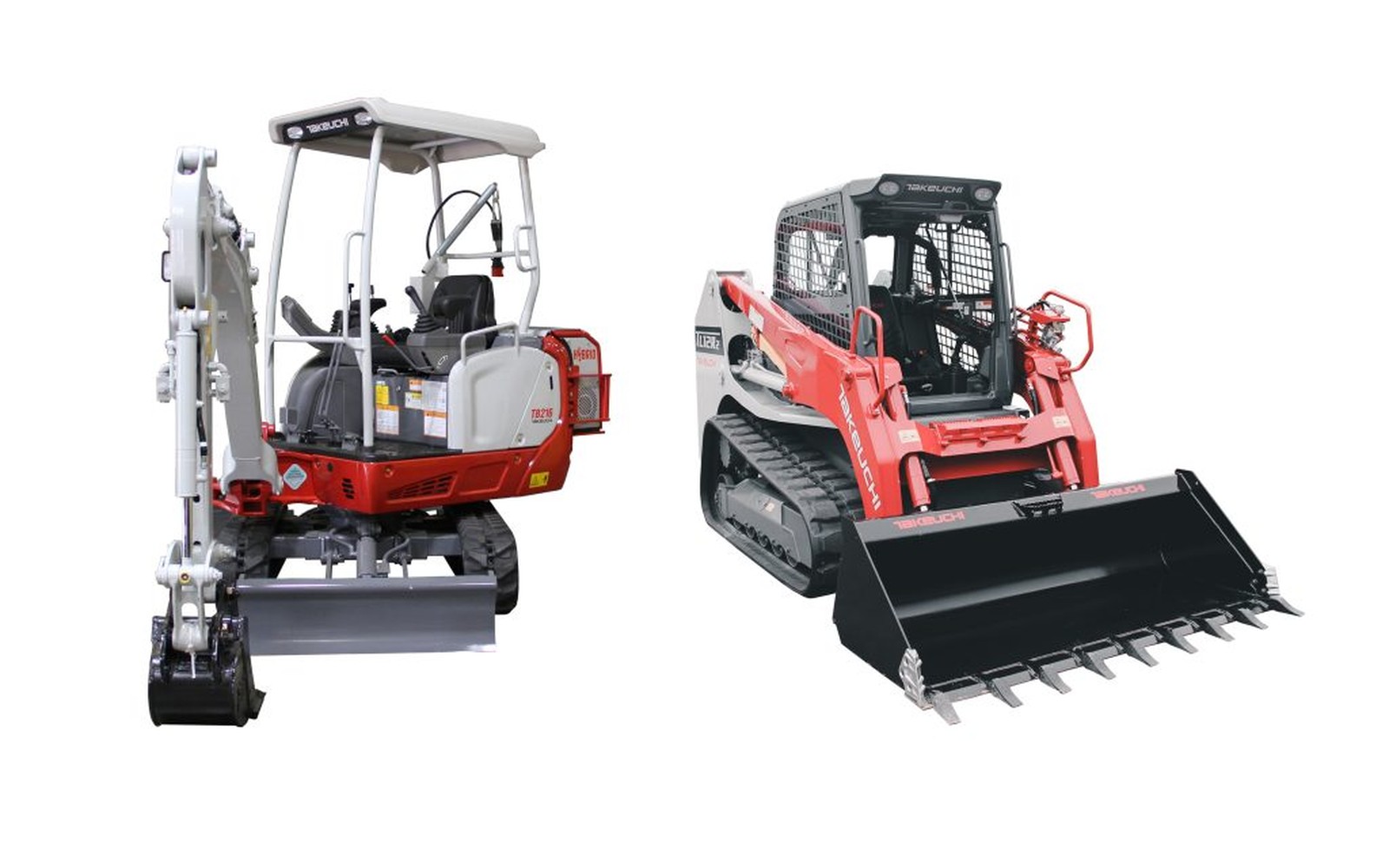
Beyond logistics, Riverside County residential growth has been relentless for years as buyers push east from LA and Orange County. Communities like Murrieta, Temecula, Wildomar, and the Beaumont-Banning corridor have active tract development. Residential site builders in those areas keep mid-size excavators, compact track loaders, and backhoe loaders running for the full site-development sequence. We finance all of those machine types for Inland Empire operators as individual transactions or bundled packages.
The Coachella Valley's resort and retirement community construction, Perris Valley's solar farm site development, and the Hemet-San Jacinto basin's infrastructure expansion round out a Riverside County market where multiple construction sectors are running concurrently. Operators who can serve more than one of these end markets with versatile, well-maintained equipment are positioned to smooth out the seasonal and project-cycle variations that affect single-sector specialists.
Getting Equipment Funded in Riverside County
Submit a credit application along with three months of business bank statements. For deals up to roughly $400,000, application-only processing is typically sufficient, meaning we do not need tax returns or a full financial package to issue a credit decision. Funding comes together in about one to two weeks after approval and equipment confirmation.
An equipment loan is the baseline: fixed payments over a set term, ownership at payoff, machine on your balance sheet from day one. An equipment lease is worth considering if lower monthly payments matter more than immediate ownership, or if you expect to trade the machine in a few years anyway. For operators who want guaranteed ownership at the end without the uncertainty of a fair-market buyout, a dollar buyout lease gives you lease-payment economics and locks in the buyout at one dollar.
California's emissions rules are real in Riverside County, particularly for work on publicly funded projects. Newer Tier 4 compliant machines, whether bought new or as well-maintained used iron, often draw better terms because they hold collateral value longer and are eligible for a wider range of publicly bid work. An older, non-compliant machine may cost less to buy but less to finance over a shorter term, and the restricted bid eligibility is a real cost that compounds over time.
For operators who want to move fast on an auction purchase, our auction and private-party financing program allows pre-approval before the sale so you know your spending ceiling before you bid. Inland Empire auction activity for used earthmoving equipment is significant, and operators without pre-approved financing often lose good machines to better-prepared buyers.
Machines That Work the Inland Empire
Warehouse pad grading in Riverside County typically involves large flat sites with tight grade tolerances, which is where GPS-guided motor graders earn their keep. Detention basins on those same sites often require substantial excavation that a single machine has to complete efficiently before the slab schedule starts. Wheel loaders move material across the big open sites faster than excavators for bulk rehandling, and they are the right tool for loading transfer trucks when the yardage has to move off-site.
On the residential side, the rocky, decomposed-granite terrain in the Temecula Valley and Beaumont foothills wears undercarriage faster than softer coastal soils. Operators here budget for shorter undercarriage service intervals and often spec their machines with heavier-duty bucket packages. We can bundle attachment packages into the financing transaction so you are not buying them separately out of cash flow. The combined purchase in one deal is often cleaner and may result in a stronger overall approval than splitting the machine and attachments into separate transactions.
For the solar farm and utility-scale infrastructure work in the Perris and Hemet valleys, bulldozers and scrapers handle the mass grading efficiently on the large, relatively flat sites where a dozer's production rate beats an excavator for bulk material movement. We finance all of these machine types with the same application-and-bank-statements process that handles a standard excavator purchase.
Credit and Documentation for Riverside Operators
We evaluate the business, not just a credit score. Revenue trend, time in business, and the machine's collateral value all factor in. Established contractors with two or more years of operating history and clean bank activity are straightforward approvals. Operators working through credit issues have options through our B/C credit program, which typically involves a larger down payment or a signed contract to support the application.
Newer businesses are eligible through our startup financing program. Those deals require more supporting documentation and often a personal guarantee, but they are fundable for operators with real revenue and a machine they can put to work immediately. California contractors often have more complex licensing and insurance documentation than operators in other states, but that does not affect the financing process beyond confirming the business entity is properly licensed.
For operators who already own iron, a Sale-Leaseback on a paid-off machine can generate the down payment for a new purchase or free up capital for payroll and overhead during a slow receivables month. Inland Empire equipment values have held well due to high regional demand, which means the sale-leaseback math is often favorable for operators who bought machines in the years before recent price increases.