
Research Triangle Park and the tech corridor feeding into it has driven Raleigh and Wake County into one of the fastest-growing metros in the country for years. Durham, Chapel Hill, Apex, Cary, and Holly Springs are all expanding fast enough to keep excavator hours full without ever needing to chase work. The contractor who shows up on bid day with the right iron already financed and staged takes the job. The one waiting on a credit committee gets the consolation call.
We finance excavators for Triangle-area contractors with a process built for how contractors actually operate. One application, three months of bank statements, machine details. Approvals in 24 to 48 hours. Funding in two weeks. Minimum deal is $50,000 and Raleigh transactions typically run $110,000 to $175,000. We handle equipment loans, leases, Sale-Leaseback, and refinancing on existing notes.
Why the Triangle Keeps the Machines Moving
Wake County's population growth has been among the fastest in the Southeast for over a decade. The downstream effect on excavation demand is straightforward: every subdivision, every retail center, and every warehouse distribution building starts with a machine in the dirt. Residential site builders working the Apex, Holly Springs, and Fuquay-Varina corridors have found that backlogs stay deep even when national housing statistics soften, because the Triangle's in-migration is structural, not cyclical.
On the commercial side, several major semiconductor and chip manufacturing facilities have been announced or are under construction in the Research Triangle corridor. These facilities require enormous site preparation, utility infrastructure, and grading work. Commercial construction subcontractors with earthwork capability who get positioned on those supply chains find multi-year workloads that dwarf a typical subdivision job.
Data centers have also clustered in the Wake Forest, Garner, and Clayton corridors east of Raleigh. These large facilities require serious earthwork for structural pads, retention ponds, and utility corridors. Utility and pipeline contractors doing fiber, power, and water main work to serve this industrial load have been fully occupied for several years.
Equipment Running in the Triangle
Wake County's ground conditions run from sandy coastal plain soils in the east toward the same Piedmont red clay and weathered granite zone as Charlotte to the west. Most Raleigh-area site work deals with sandy clay and partially weathered rock in the upper ten feet, which means machines with decent breakout force cover the full range of typical commercial and residential jobs without needing specialized configurations.
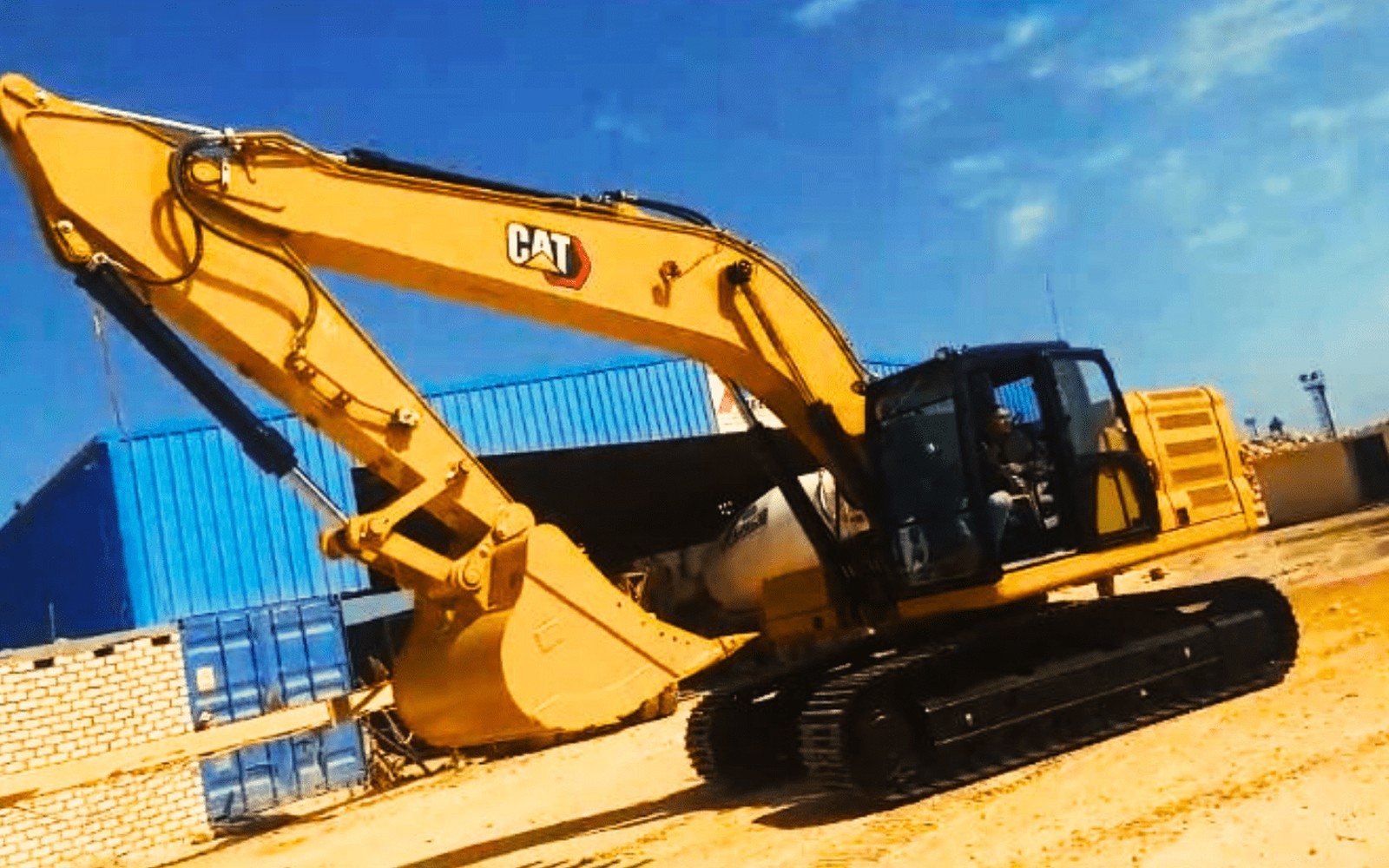
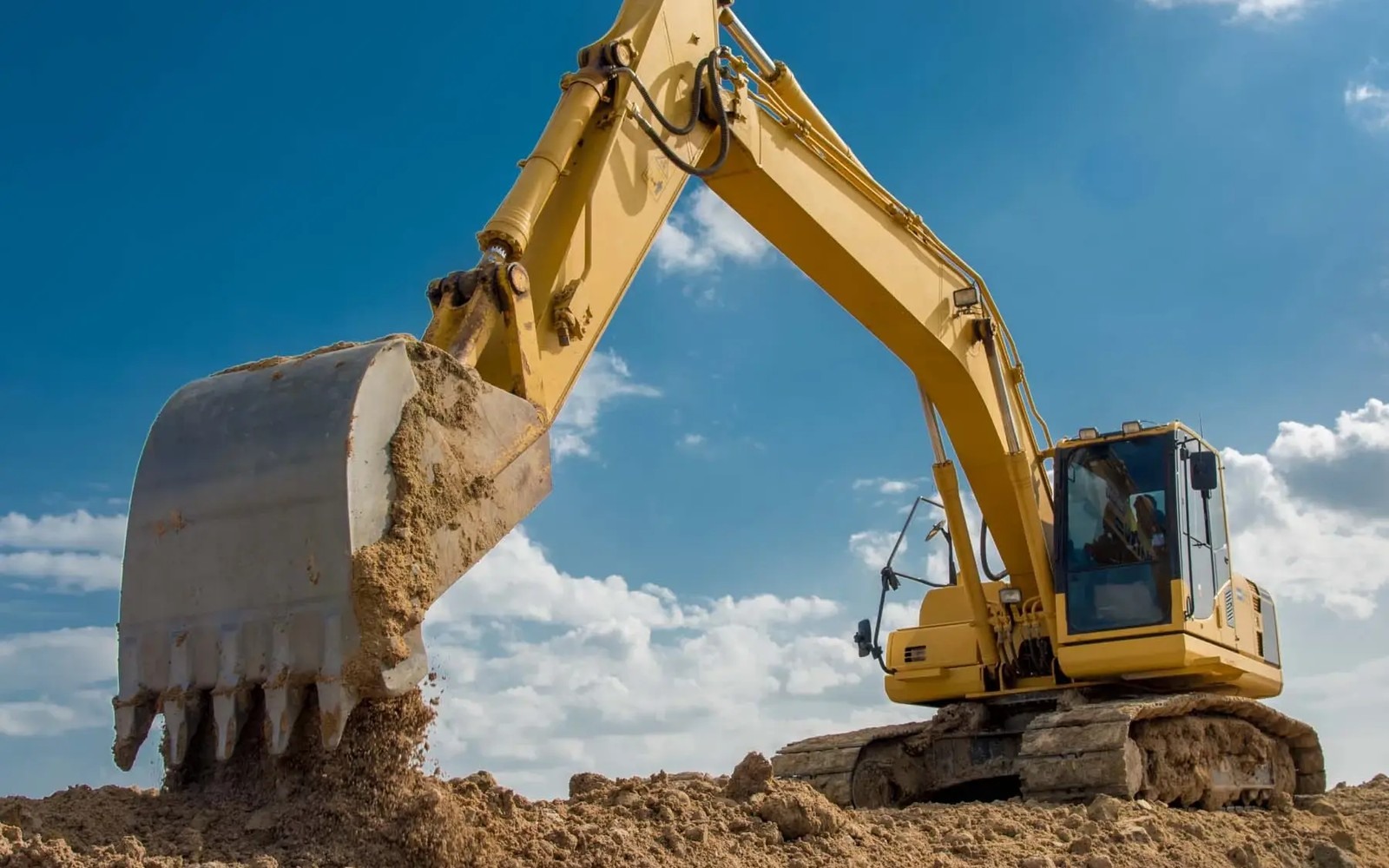
A 20-ton to 25-ton class crawler excavator handles most Triangle site development jobs efficiently. For urban Raleigh infill, where lots in Five Points, Mordecai, and the Glenwood South corridor are sometimes smaller than a suburban lot, a compact excavator in the 5-to-8-ton range allows access without the footprint of a production-class machine. We finance both size classes through the same process.
Contractors doing utility corridor work across the metro often add a trencher to their fleet for production linear work. Trenching straight fiber conduit runs or gas main extensions can move far faster per linear foot on a dedicated trencher than on an excavator, with the excavator handling tie-ins, crossings, and anything the trencher cannot access. Both pieces finance through us.
Triangle Contractors Who Work With Us
The typical Raleigh client is a contractor who has been building a subcontractor relationship with one or two GCs and is now positioned to take on larger contract values that require owned equipment. Winning a $2 million site development scope requires the credibility of owned iron, not a rental fleet that another contractor can pull from the same yard.
We also work with operators transitioning to commercial from residential site work. The Triangle's commercial construction boom rewards contractors who can scale up to parking deck excavation, large foundation pits, and utility main extensions. A second or third machine makes the jump from residential to commercial scope realistic rather than theoretical.
Contractors with credit challenges get real consideration here. A score in the 600s, a past lien, or a business that is earlier in its credit history are not automatic disqualifiers. Current revenue, bank statement health, and the machine's value as collateral are the primary underwriting factors we weight most heavily.
Finance Your Raleigh Excavator
The Triangle is building semiconductor plants, data centers, and thousands of homes. Your machine needs to be funded and ready. One application, 48-hour approval, two-week funding. Tell us what you need.