
Fresno is the heart of the San Joaquin Valley, and the Valley puts more acres under excavator tracks per dollar of GDP than almost any other region in California. Agricultural infrastructure, water conveyance upgrades, solar farm site development, and the steady residential and commercial growth pushing outward from Fresno all keep site-work contractors running hard. We finance excavators, loaders, and earthmoving equipment for Fresno-area operators, with approvals in about one to two weeks, starting at $50,000 and running most of our volume at $100,000 to $150,000 and up.
Valley contractors often carry a different financial profile than urban operators. Seasonal cash flow tied to ag-infrastructure work, younger businesses, and credit histories that commercial banks in the Central Valley routinely decline are all circumstances we work with regularly. B/C credit programs and startup structures are available, and we do not require a land appraisal or a formal business plan to move forward on equipment financing.
The San Joaquin Valley Site-Work Market
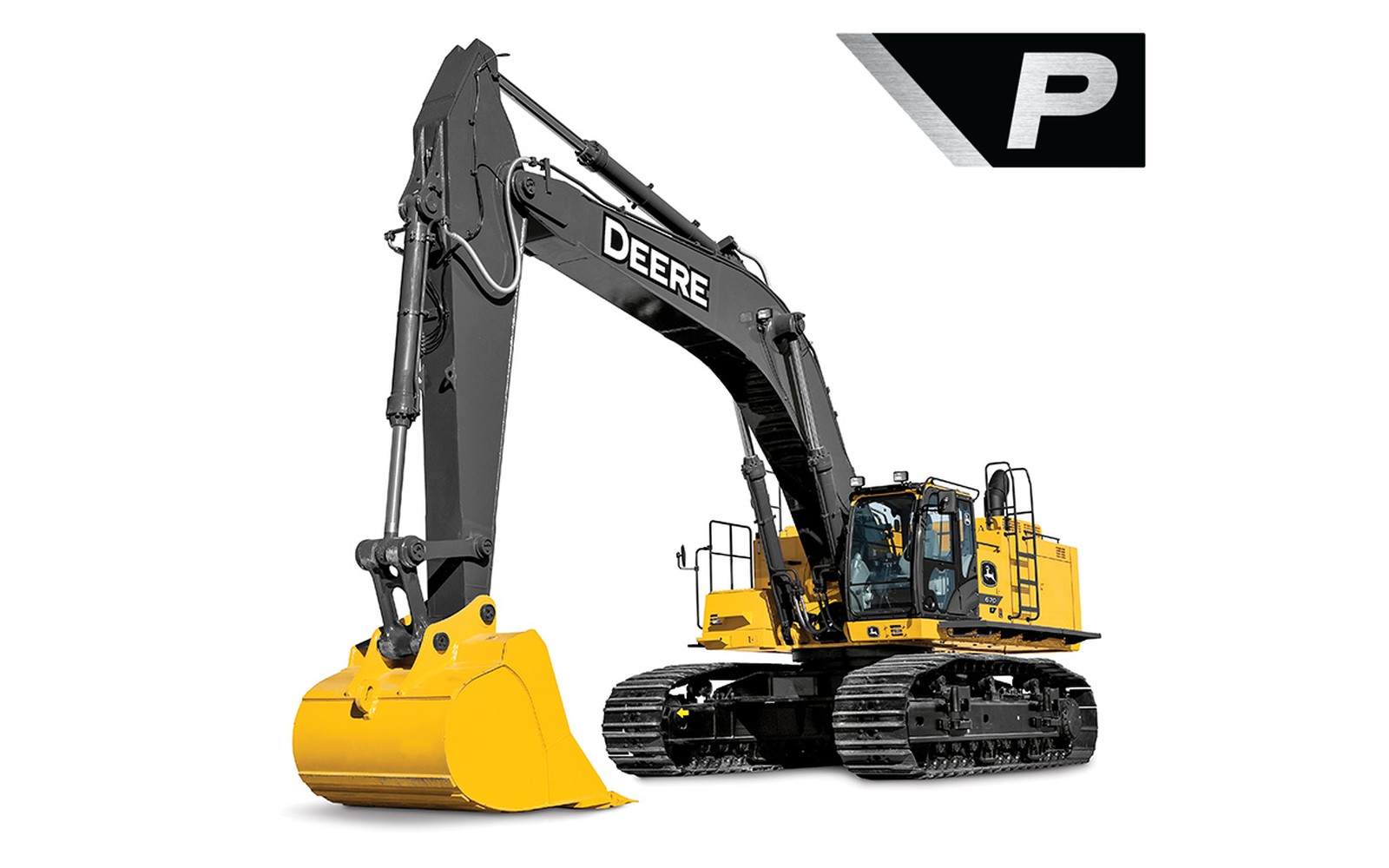
Fresno County is the most productive agricultural county by value in California, and that agricultural economy drives a massive supporting infrastructure. Canal lining, irrigation delivery upgrades, drainage tile installation, and storage facility construction all require excavation equipment on a recurring basis. Long-reach excavators are common on irrigation canal work where bank access geometry makes a standard dipper arm impractical, and demand for those machines has held steady as water conveyance projects move through the Valley under state and federal infrastructure programs.
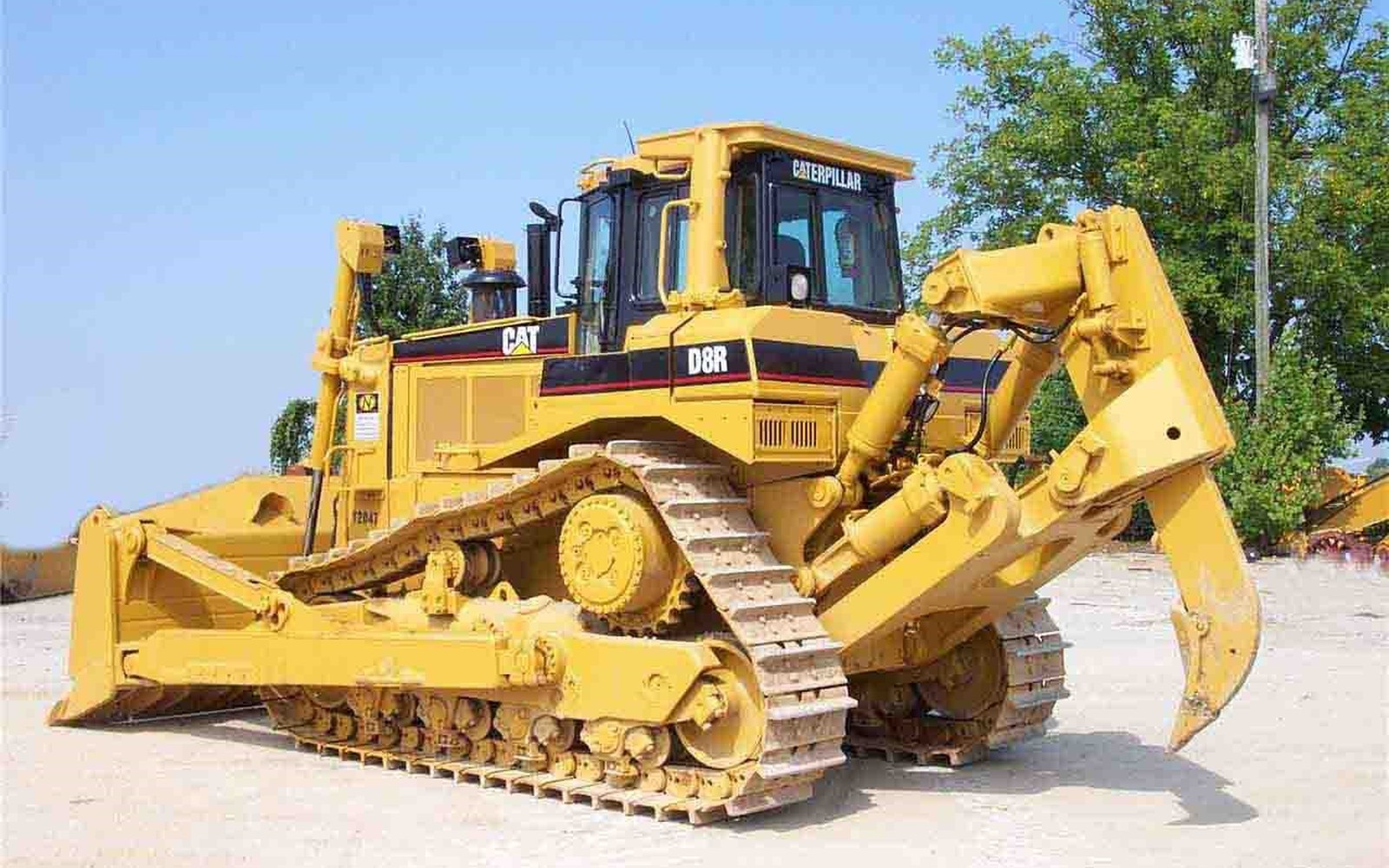
The California High-Speed Rail project runs through the San Joaquin Valley, and the utility relocations, access roads, and alignment grading that project requires have kept heavy-equipment contractors busy for years. Additionally, the Valley has become one of California's premier solar development zones, with utility-scale photovoltaic projects from Kern County to Madera requiring substantial land grading and compaction work. Standard excavators and crawler dozers are the core tools for solar pad prep work, and the pipeline of new projects shows no sign of slowing. Residential subdivisions on the east and north sides of Fresno add another steady demand line for site development contractors running excavators, skid steers, and grading machines.
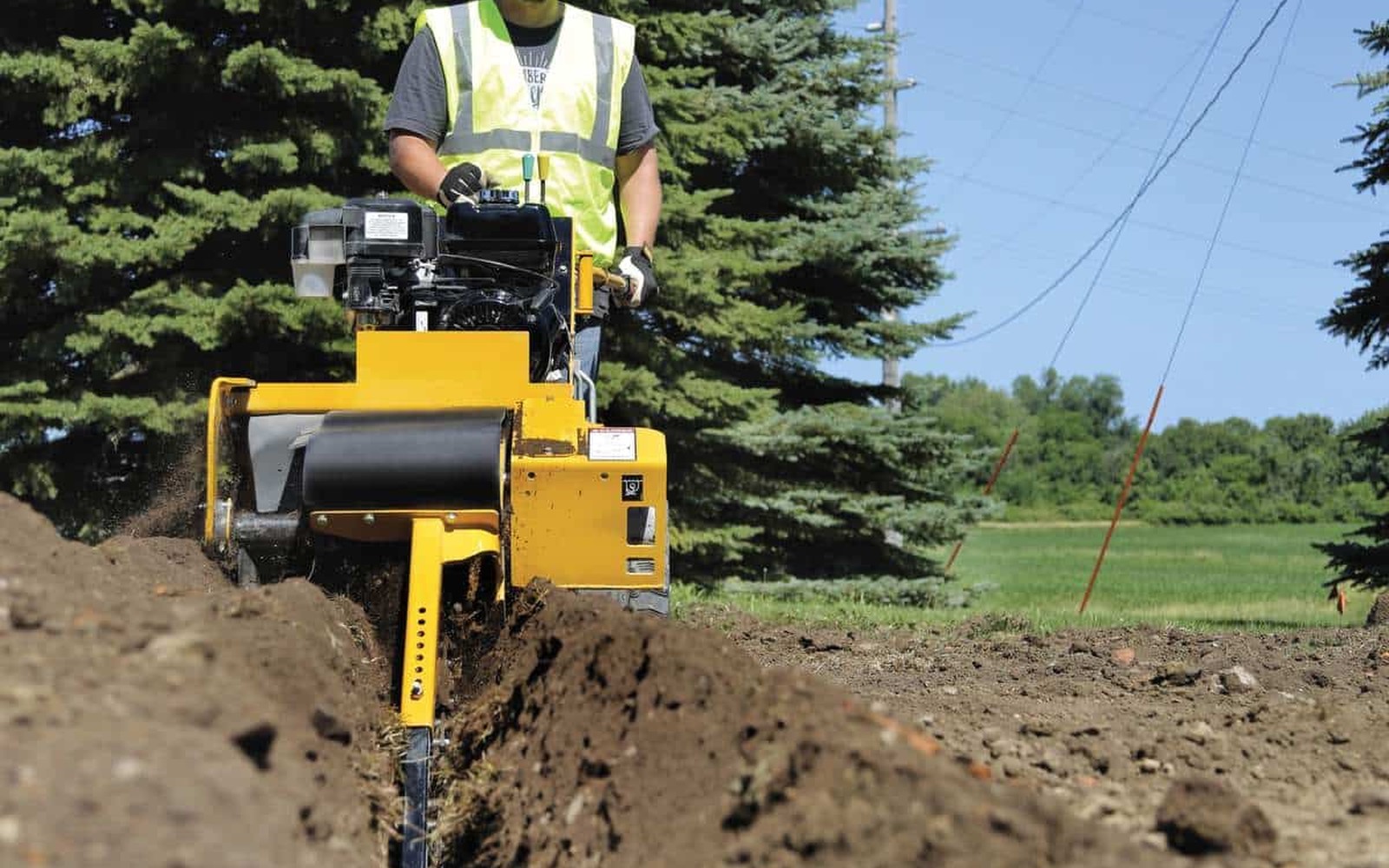
Underground utility installation is a growing piece of the Valley's site-work economy. Municipal water system upgrades, fiber conduit trenching across the metro, and new subdivision utility laterals all depend on trenching equipment and underground contractors who need reliable machines and reliable financing behind them. A machine that is down for a financing issue is as bad as one that is down for a mechanical one.
Financing for Central Valley Operators
The process starts with a credit application and three months of business bank statements. Application-only review handles most deals up to about $400,000 without requiring a full financial package. Decisions come in days and funding completes in one to two weeks, which is the timeline most contractors need when a job is scheduled and a machine purchase is part of the mobilization plan.
For Valley contractors with seasonal cash-flow patterns, structure matters. An equipment loan with standard monthly amortization is the default. If your income concentrates in certain months because of ag-infrastructure or harvest-season contracts, ask about structures that align heavier payment periods with your stronger cash months. The goal is a payment that does not create stress during the slow stretch.
An equipment lease keeps the monthly obligation lower and may give you flexibility to exchange the machine at lease end. That is worth considering if California's emissions compliance cycle is likely to require Tier 5-compliant machines on public projects within the next decade, because a lease lets you cycle into compliant iron at the end of the term rather than carrying an old machine you need to sell. A Section 179-structured deal can change the tax math significantly for Valley operators who pay substantial federal income tax, so run that conversation with your CPA alongside our financing quote.
For operators adding to an existing fleet, fleet financing can consolidate multiple machines under one structure. That simplifies the books and sometimes yields a better overall rate than financing each piece separately. We handle fleet transactions for operators running two to several machines without adding significant complexity to the process.
New vs. Used Iron in the Valley
Fresno-area contractors have access to a strong used equipment market through California's active dealer network and regular auction events at regional yards. Machines coming out of completed solar and ag-infrastructure projects often hit the secondary market in good condition with moderate hours. Used equipment financing is an efficient path for operators who want solid iron without a new-machine price tag, and we finance used machines bought from dealers, at auction, or from private sellers. The key document is a purchase agreement plus confirmation of the machine's hours and condition.
For newer businesses or operators working through credit challenges, used iron at a lower purchase price can also make the down payment more manageable and the approval more accessible through our B/C credit program. A $120,000 used excavator with clear service records is often a better entry point than a $200,000 new machine for an operator in the early years of building the business.
New machine financing makes sense when the warranty coverage, fuel efficiency, and California compliance status of a newer model matter more than the purchase price difference. Tier 4 Final and Tier 5 machines cost more but avoid the registration and emissions complications that older iron can generate on California public jobs. We finance new machines from any major manufacturer without brand preference.
Equity in Equipment You Already Own
Many Central Valley contractors own machines outright that were paid off during strong ag-infrastructure or solar contract years. That equity sits idle on the yard. A Sale-Leaseback turns a paid-off machine into cash, which can fund a second piece of equipment, cover a slow receivables month, or handle a down payment on a larger iron purchase. The machine keeps working and the capital goes to work alongside it.
For operators who still carry active notes, an equipment refinance can reduce the monthly payment by extending the term or capturing a better rate than the original financing carried. We run the comparison if you share the current payoff figure and an approximate market value for the machine. Valley contractors who financed during peak demand periods sometimes find that refinancing after the initial rush saves real money over the remaining term.
Cash-out refinancing is available for machines with equity above the payoff. That structure lets you pull working capital out of the machine's value while keeping the machine in operation. Fresno-area contractors have used cash-out refinancing to fund second-machine purchases, cover slow-season operating expenses, and prepay material costs for upcoming large jobs.