
Septic system installation and drainage work is the kind of business that keeps running regardless of the broader construction cycle. New homes in rural and suburban areas without sewer access need new systems; existing systems eventually fail and need replacement; agricultural properties need drainage work to manage water tables and protect crops. A septic and drainage contractor with the right equipment closes jobs faster and handles more volume. The question is whether the financing keeps pace with the demand.
We finance the compact excavators, mini excavators, and support equipment that septic and drainage contractors run. These are typically smaller transactions running about $50k to $150k, and application-only approval is available for most of them on strong credits. Funding in one to two weeks. B and C credit programs available for contractors whose credit history reflects the ups and downs of small-business ownership.
Equipment That Septic and Drainage Contractors Finance
Septic and drainage work is done primarily with compact equipment, though larger jobs sometimes require mid-size excavators. Here is the typical equipment mix we finance in this sector:
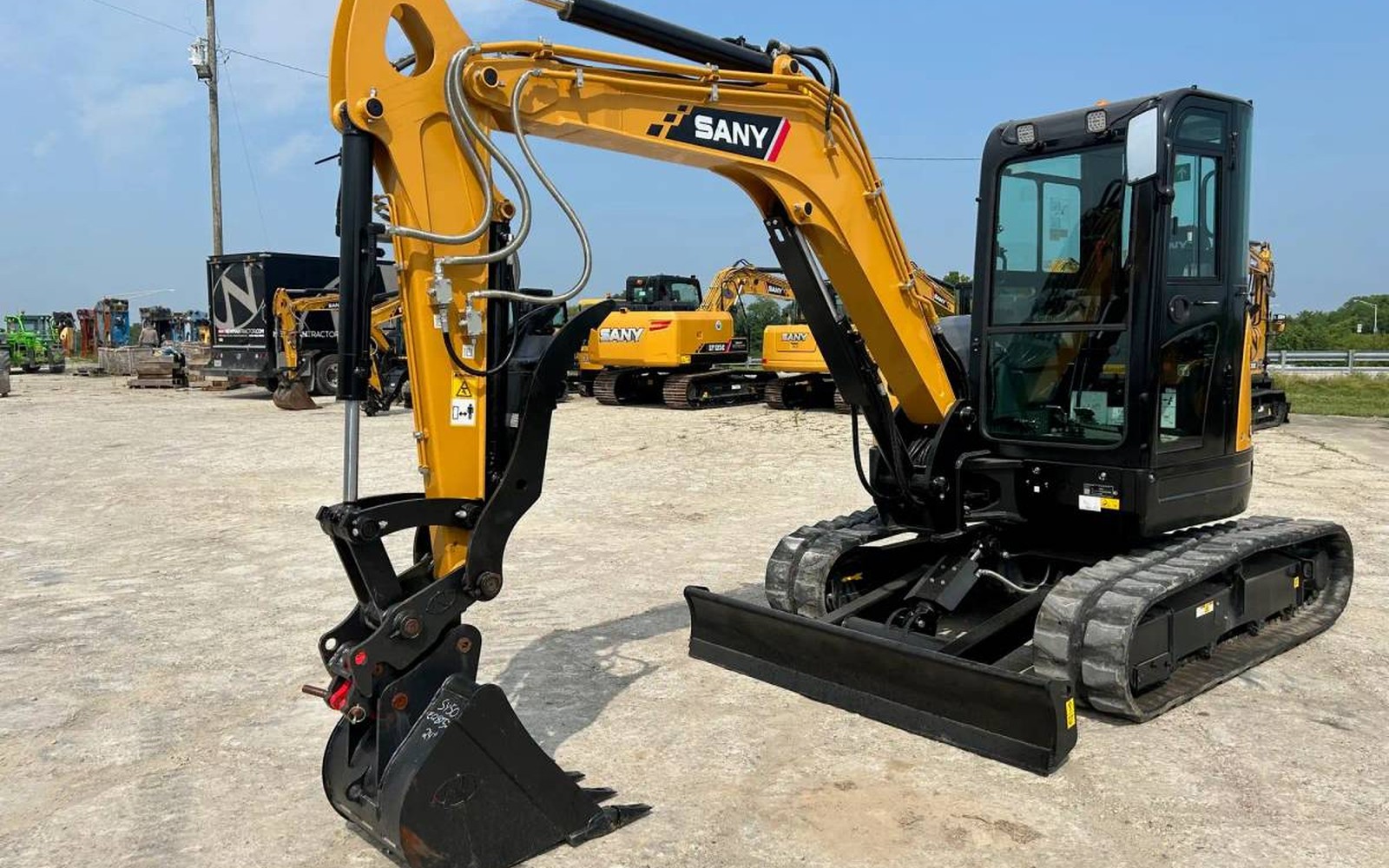
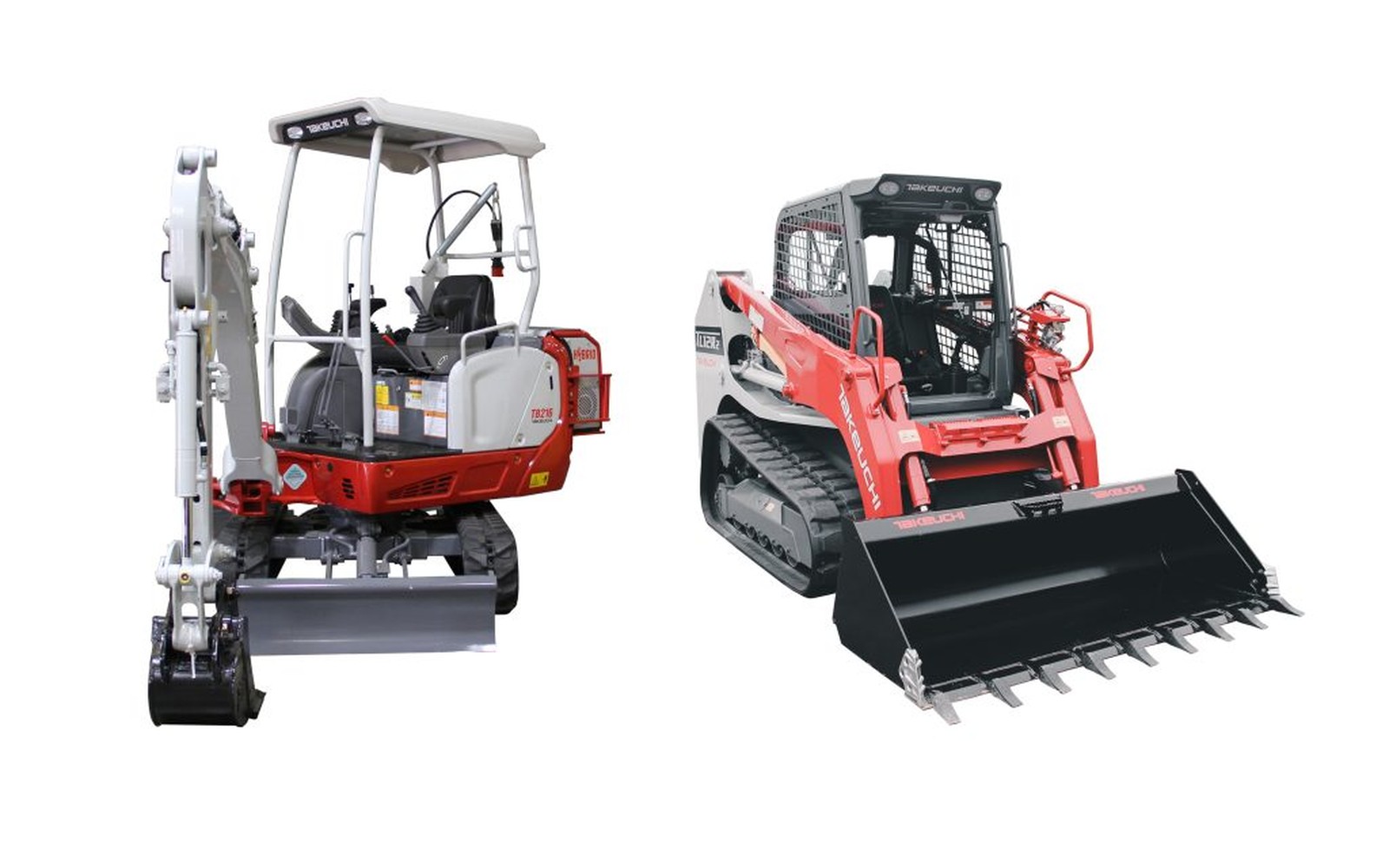
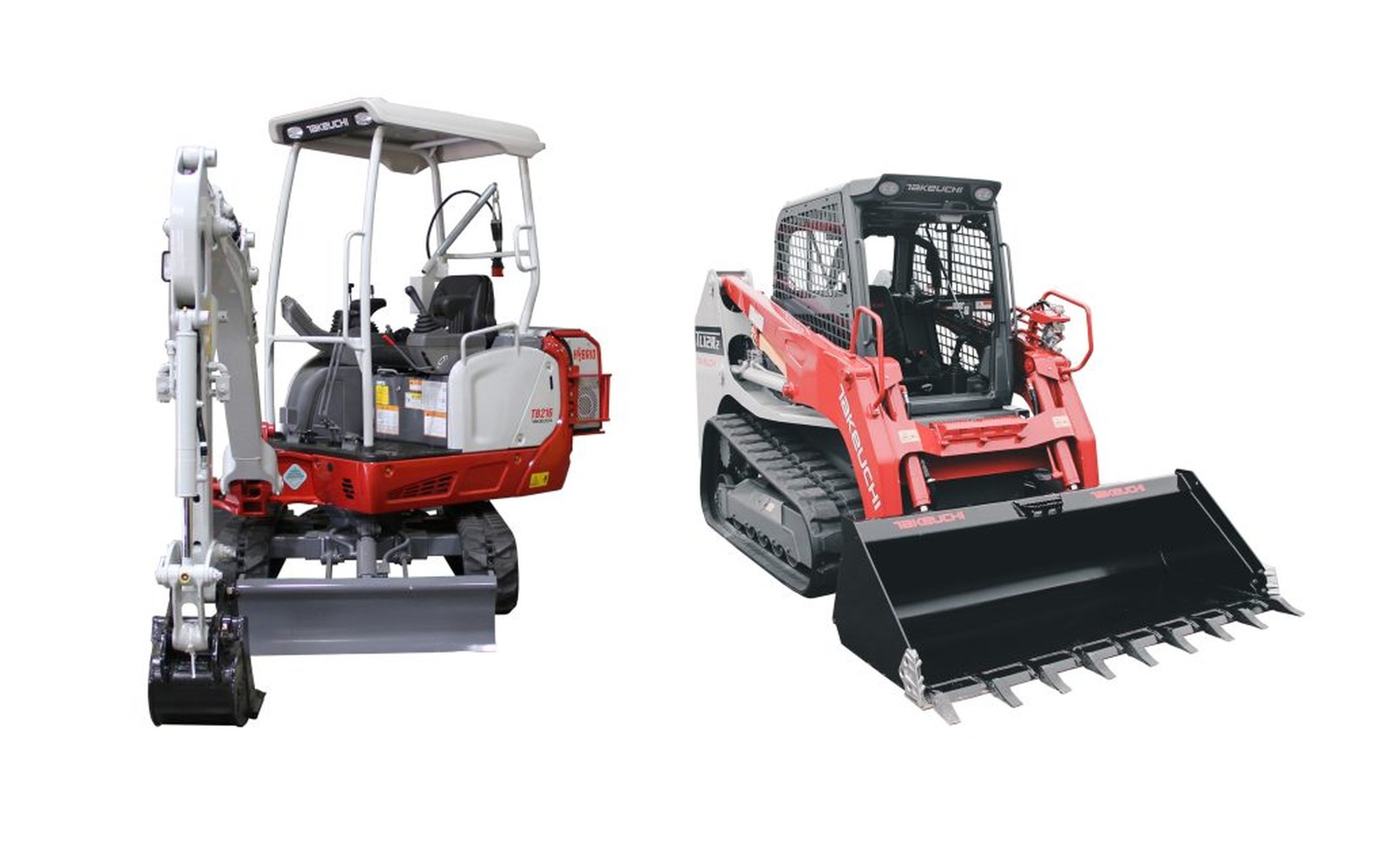
- Mini excavators (2-to-8 ton): The core digging machine for most residential septic installations. A mini excavator digs the tank pit, opens the drain field trenches, and backfills after installation. Kubota KX-series, Bobcat E-series, and Caterpillar 300-series mini excavators are all common choices that finance readily.
- Compact track loaders: A compact track loader handles spoil removal, material placement, and site cleanup after septic and drainage installations. The track configuration allows work on wet or soft ground conditions without tearing up the yard.
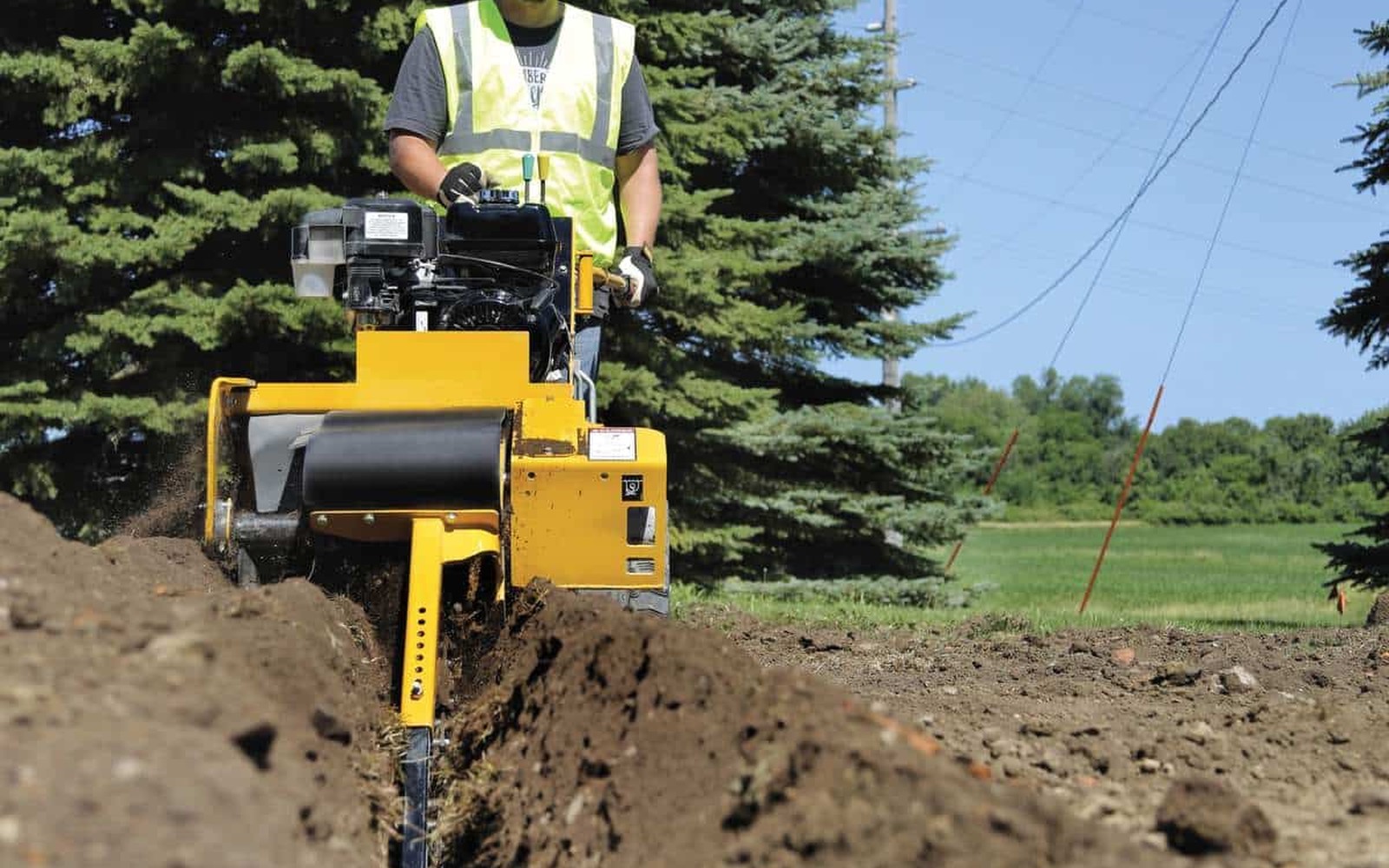
- Trenchers for drain field work: On residential drain field installations, a chain trencher opens consistent-width trenches faster than a mini excavator on long runs. Portable and skid-mount trenchers in the small-to-medium class are common in this segment.
- Compact excavators (5-to-10 ton): Larger residential septic systems, commercial drain fields, and agricultural tile drainage work sometimes require a larger machine than a mini excavator. A compact excavator in this range handles that middle ground efficiently.
Used equipment across all these categories is widely available and finances well. A mid-age mini excavator with moderate hours and a clear service history is often the most economical choice for a septic and drainage contractor building or refreshing their equipment lineup.
Septic and Drainage Contractor Profiles We Work With
The septic and drainage sector includes:
- Residential septic installers: Contractors handling new system installations and system replacements on homes in areas without municipal sewer access. Volume can be high in rural and exurban growth areas.
- Commercial and institutional drain contractors: Contractors installing large-capacity septic systems, grease traps, and drainage infrastructure for commercial properties, schools, and rural institutions.
- Agricultural tile drainage contractors: Contractors installing subsurface tile drainage on cropland and pasture to manage water tables and improve field productivity. Tile drainage work is highly seasonal and concentrated in specific agricultural regions.
- Drainage and erosion control specialists: Contractors focused on site drainage, erosion control, and stormwater management. This work increasingly requires permits and engineered drainage plans, adding value to contractors who can execute those designs.
All of these contractor types share a common need: reliable compact equipment that performs in difficult ground conditions, including wet soils, heavy clay, and rocky ground that characterizes many rural and exurban job sites.
How Financing Works for Septic and Drainage Equipment
Most septic and drainage equipment deals fall in the straightforward, application-only tier. Here is the typical path:
- Submit a quote request with the machine details and your business basics.
- Pre-qualification within one business day for most files.
- Application-only approval for deals under approximately $400,000 on strong credit. Minimal documentation, fast turnaround.
- Standard documentation (bank statements, business records) for deals that fall outside application-only qualification.
- Approval, document signing, and funding. Most septic and drainage equipment deals close within one to two weeks of the initial request.
The process is designed for owner-operator and small-crew businesses, which is what most of this sector looks like. We do not require financial statements or complex reporting packages for smaller compact equipment deals. The goal is getting the machine funded before the next job starts, not running the contractor through a bank underwriting process designed for a Fortune 500 company.
Additional Financing Options for Septic and Drainage Contractors
Beyond the standard equipment loan, septic and drainage contractors sometimes use:
- No-money-down financing: Our no-money-down program is available for qualified borrowers where the equipment value fully supports the loan. Strong credit and a new machine from a major brand are the typical qualifying conditions.
- Auction and private-party purchases: Used mini excavators and compact track loaders appear regularly on private sales platforms and at regional auction events. Our auction and private-party financing handles these transactions where dealer documentation is not available.
- Bad credit programs: Contractors with challenged credit are considered through our bad credit equipment financing program. A meaningful down payment and a solid equipment value often make these deals workable even when the credit profile is not ideal.
Finance Your Septic and Drainage Equipment
Mini excavators, compact track loaders, trenchers, or a compact package for your septic and drainage crew. Submit your quote request and get real terms in one business day. Most deals in this sector close fast and without a mountain of paperwork.