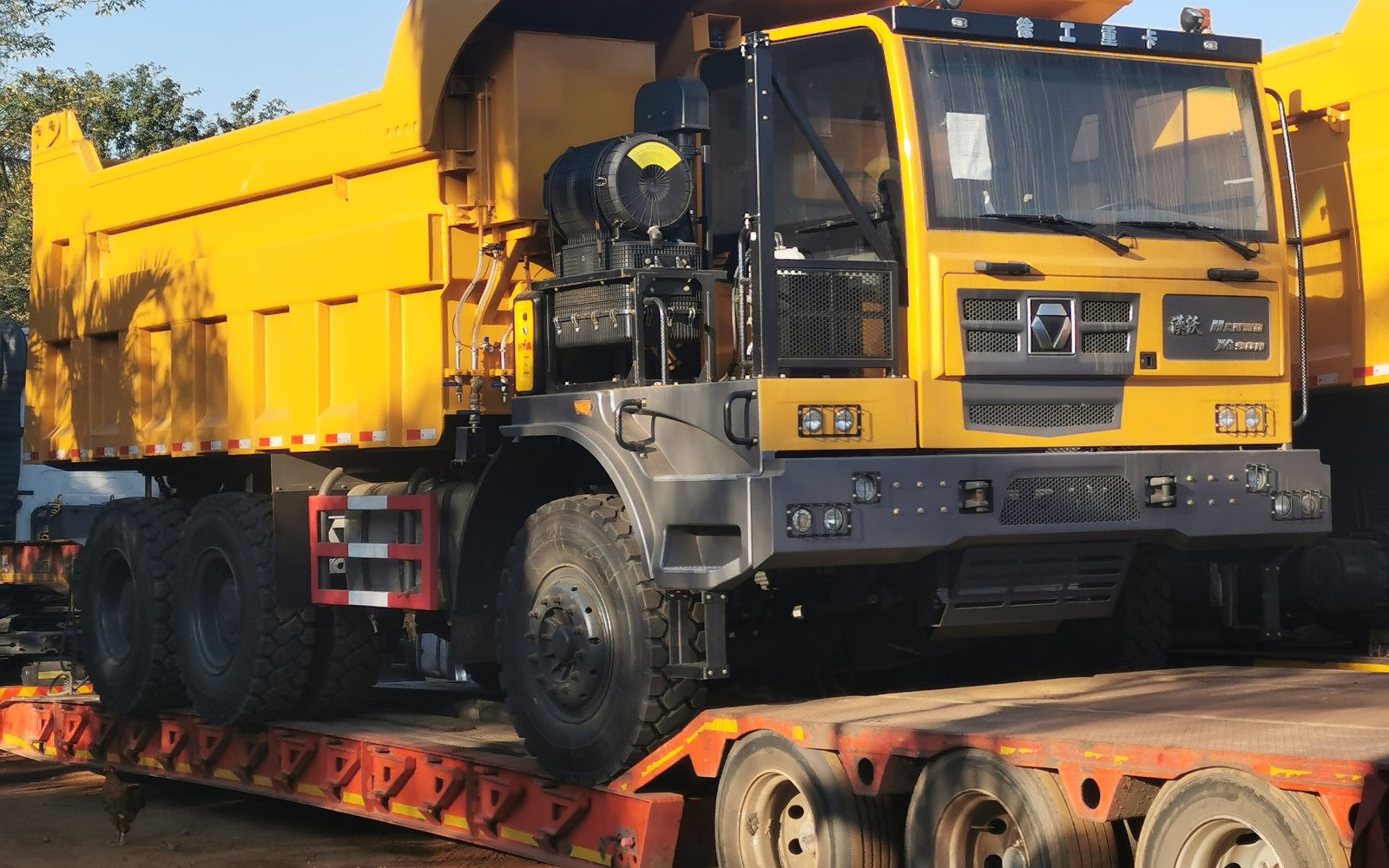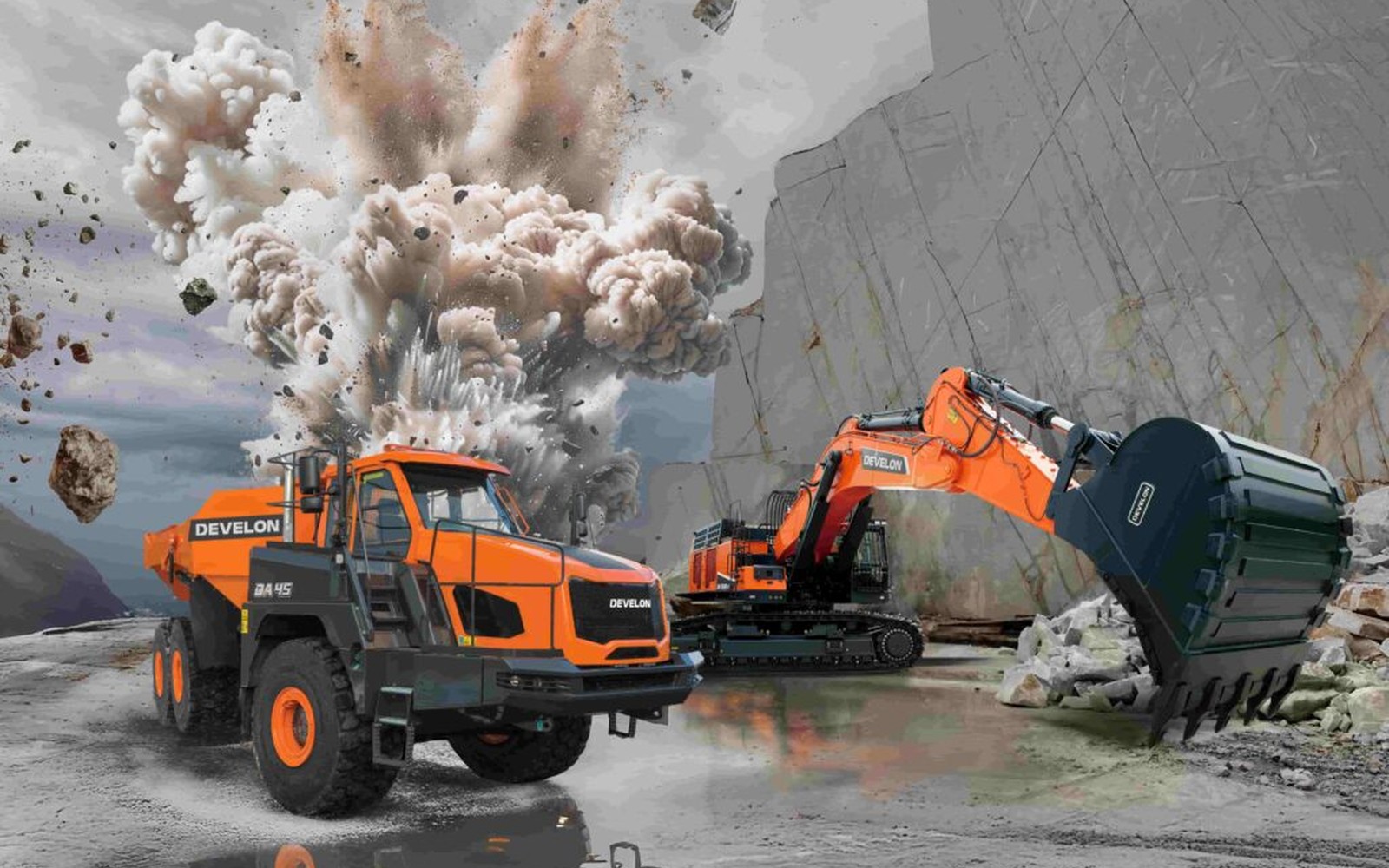

Rigid-frame haul trucks are the largest production machines in the mining and quarry industry. A 100-ton payload truck does not negotiate terrain, it dominates it: a prepared haul road, a professional crew, and the right lender relationship are what keep one running profitably. Financing at this scale is a different conversation than financing a skid steer or a backhoe. These are major capital investments that require lenders who work in the mining and heavy infrastructure space, documentation that reflects the machine's operating context, and deal structures sized to the machine's production cycle. Our program places rigid-frame haul truck transactions with lenders who know the difference between a Caterpillar 777 and a warehouse forklift, and price the deal accordingly.
Operators who run articulated dump trucks on rough terrain and rigid-frame trucks on prepared roads sometimes finance both machine types. Our articulated dump truck financing page covers the ADT category for comparison. The industries we serve most frequently at this tier include mining operations and aggregate and quarry operators.
Rigid-Frame Haul Truck Asset Class: What Drives Value
Rigid-frame haul trucks operate in a narrow but active secondary market. Major mines and quarries that cycle out fleets regularly, equipment dealers who specialize in mining iron, and occasional fleet liquidations at closed or curtailed operations are the primary secondary market sources. The buyer pool is smaller than for general construction equipment, but it is real and organized.
Key value and condition factors:
- Payload capacity and truck class: Trucks are categorized by payload in short tons. The 40-to-65-ton class (Caterpillar 773/777, Komatsu HD465, Hitachi EH3500) is the most actively traded. Larger ultra-class trucks (150 tons and above) are highly specialized and require case-by-case underwriting.
- Engine condition and hours: Diesel engines on production haul trucks accumulate hours rapidly in continuous hauling applications. Engine history, including any re-powers or major service, is critically important documentation.
- Tire condition: Haul truck tires are among the most expensive consumables in the mining industry. A full tire set on a 100-ton truck can cost $200,000 or more. Lenders factor in tire condition explicitly for large machines.
- Body and frame condition: Impact damage, cracks at high-stress points, and dump body wear are inspected on used machines.
How Rigid-Frame Haul Truck Deals Get Structured
Rigid-frame haul trucks are priced in ranges that require full financial documentation. New machines in the 40-to-65-ton class run $1 million to $3 million. Used machines in that class from three to seven years old trade in the $400,000 to $1.5 million range. At these numbers, the financing process is more rigorous than for lighter equipment:
- Full business financial package: two years of tax returns, current P&L, and balance sheet
- Equipment schedule showing current owned and financed assets
- Mining or hauling contract documentation if available
- Machine inspection report or third-party appraisal
- Personal guarantee from principal owners
We work with mining-specialist lenders who understand production schedules, availability-based maintenance programs, and the project-cycle revenue patterns of mining contractors. These lenders do not require explanation of what a haul truck is or how it earns money. That familiarity affects how quickly deals close and how reasonable the terms are.
Structures include equipment loans, Sale-Leaseback arrangements for owned trucks, and fleet financing for operators buying multiple units at once. The fleet approach often produces the best per-unit economics when the purchase involves two or more trucks.
Credit and Business Profile for Haul Truck Financing
Operators who finance rigid-frame haul trucks are typically established businesses with documented production history. The credit profile expectations at this tier:
- Two or more years of business tax returns showing active mining or hauling revenue
- Business credit history on prior equipment loans with clean payment record
- Positive operating cash flow relative to proposed debt service
- Personal credit history for the guaranteeing owner
Operators with a single prior credit event (a late payment, a restructured loan) who can explain the circumstance with context are still fundable if the current financial picture is clean. Mining operations are inherently cyclical, and lenders who work in this space understand revenue variability better than general business lenders.
For operators newer to financing at this size, a larger down payment (20 to 25 percent) or a personal guarantee with strong personal credit can sometimes bridge the documentation gap. We present every file in the context that gives it the best chance, and we tell you upfront if the deal is a stretch so you can decide whether to proceed.
Finance Your Haul Truck
Big iron requires the right people on the financing side. Tell us the machine, the deal size, and your operation's profile. We will connect you with lenders who have actually financed haul trucks before and know how to structure the deal properly. These deals take two to three weeks from start to funded.